

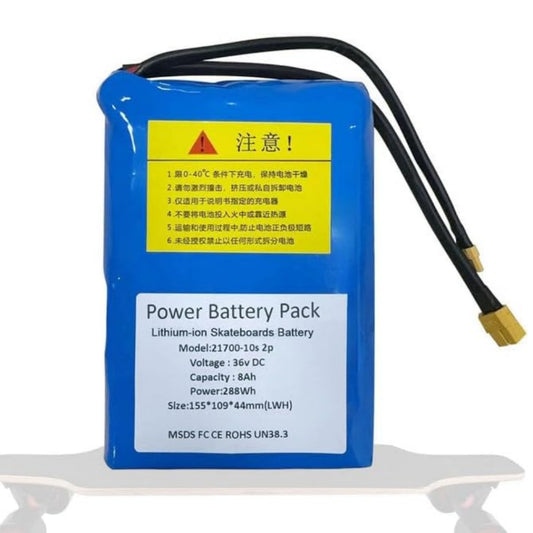
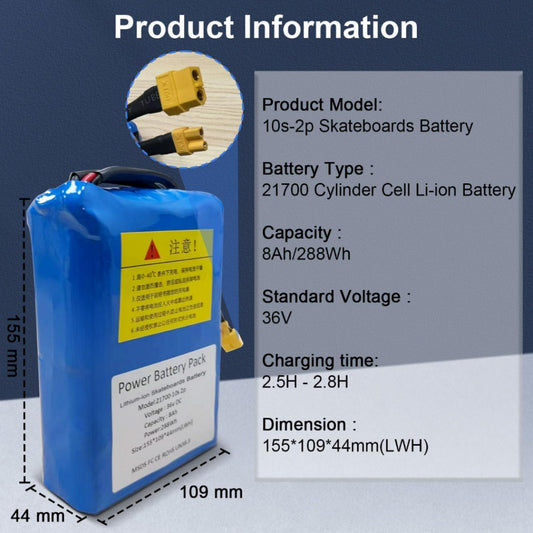
KEEPBATT 36V 8Ah Battery for Meepo V5ER MINI5 ER Electric Skateboard
- Regular price
- $189.00
- Regular price
-
- Sale price
- $189.00
- Unit price
- per
High Performance 48V 20Ah Lithium Battery Fast Charging for Apollo City/City Pro 2022-2024 E-Scooter
- Regular price
- $310.00
- Regular price
-
- Sale price
- $310.00
- Unit price
- per
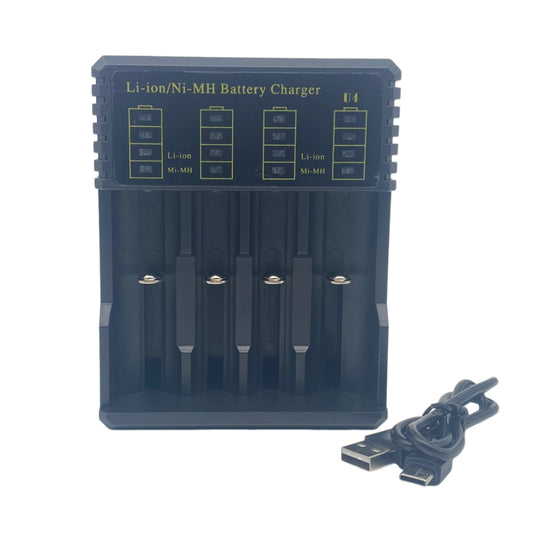
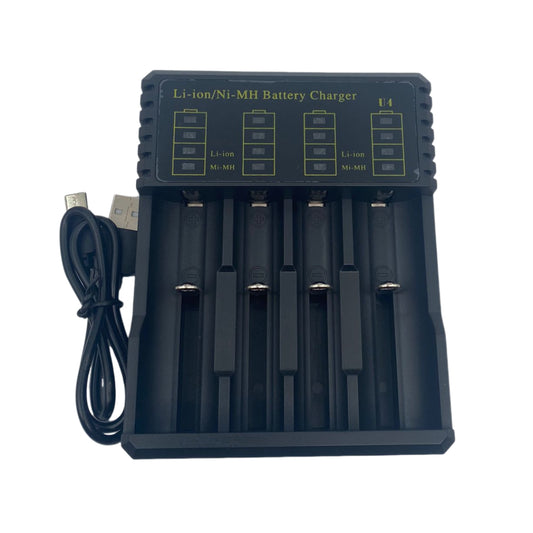
18650 charger Universal Battery Charger for 18650 18350 17670 16340 14500 3.7v Li-Ion NI-MH battery
- Regular price
- $14.99
- Regular price
-
- Sale price
- $14.99
- Unit price
- per
Premium 42V 2A Charger for Phantom Gogo R1 & R1 Pro Electric Scooter
- Regular price
- $26.90
- Regular price
-
- Sale price
- $26.90
- Unit price
- per
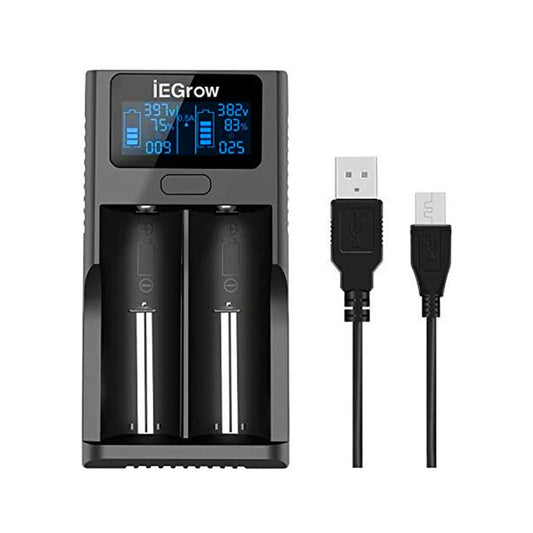
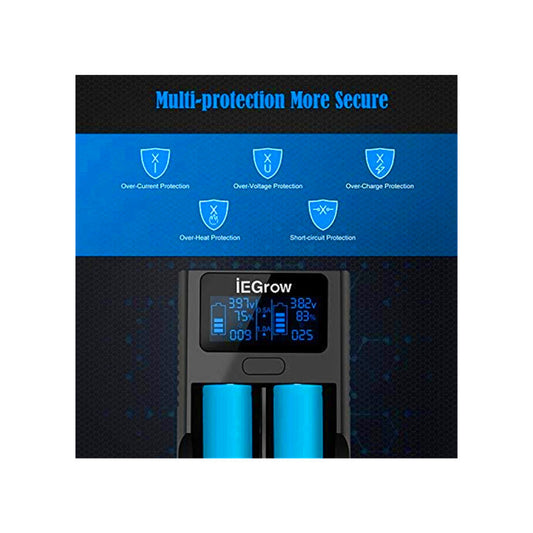
18650 battery charger, LCD battery charger with USB connection, 3.7 V Li-Ion battery, 2 slots
- Regular price
- $18.99
- Regular price
-
- Sale price
- $18.99
- Unit price
- per
-
![2.4V 700mAh Ni-MH battery for YS534 / 17 Water pik WP-900 Remington Barba Trimmer Shaver 10x20x44mm]()
![2.4V 700mAh Ni-MH battery for YS534 / 17 Water pik WP-900 Remington Barba Trimmer Shaver 10x20x44mm]() Vendor:BATTERYINT
Vendor:BATTERYINT2.4V 700mAh Ni-MH battery for YS534 / 17 Water pik WP-900 Remington Barba Trimmer Shaver 10x20x44mm
- Regular price
- $10.89
- Regular price
-
- Sale price
- $10.89
- Unit price
- per
2.4V 700mAh Ni-MH battery f... -
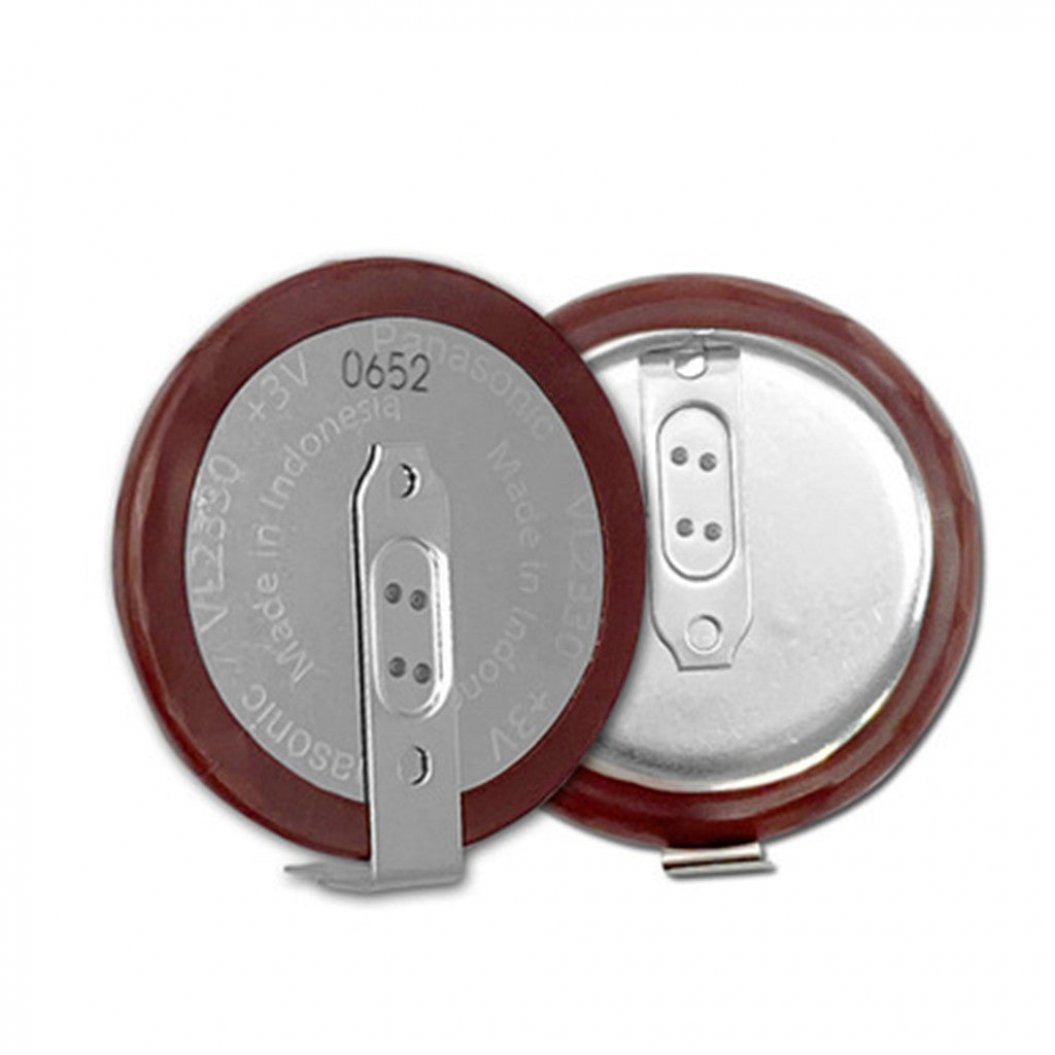
![2 Pieces Rechargeable Battery VL2330 / HFN 3V Industrial Battery Imported From Indonesia Original Authentic]()
![2 Pieces Rechargeable Battery VL2330 / HFN 3V Industrial Battery Imported From Indonesia Original Authentic]() Vendor:BATTERYINT
Vendor:BATTERYINT2 Pieces Rechargeable Battery VL2330 / HFN 3V Industrial Battery Imported From Indonesia Original Authentic
- Regular price
- $11.99
- Regular price
-
- Sale price
- $11.99
- Unit price
- per
2 Pieces Rechargeable Batte... -
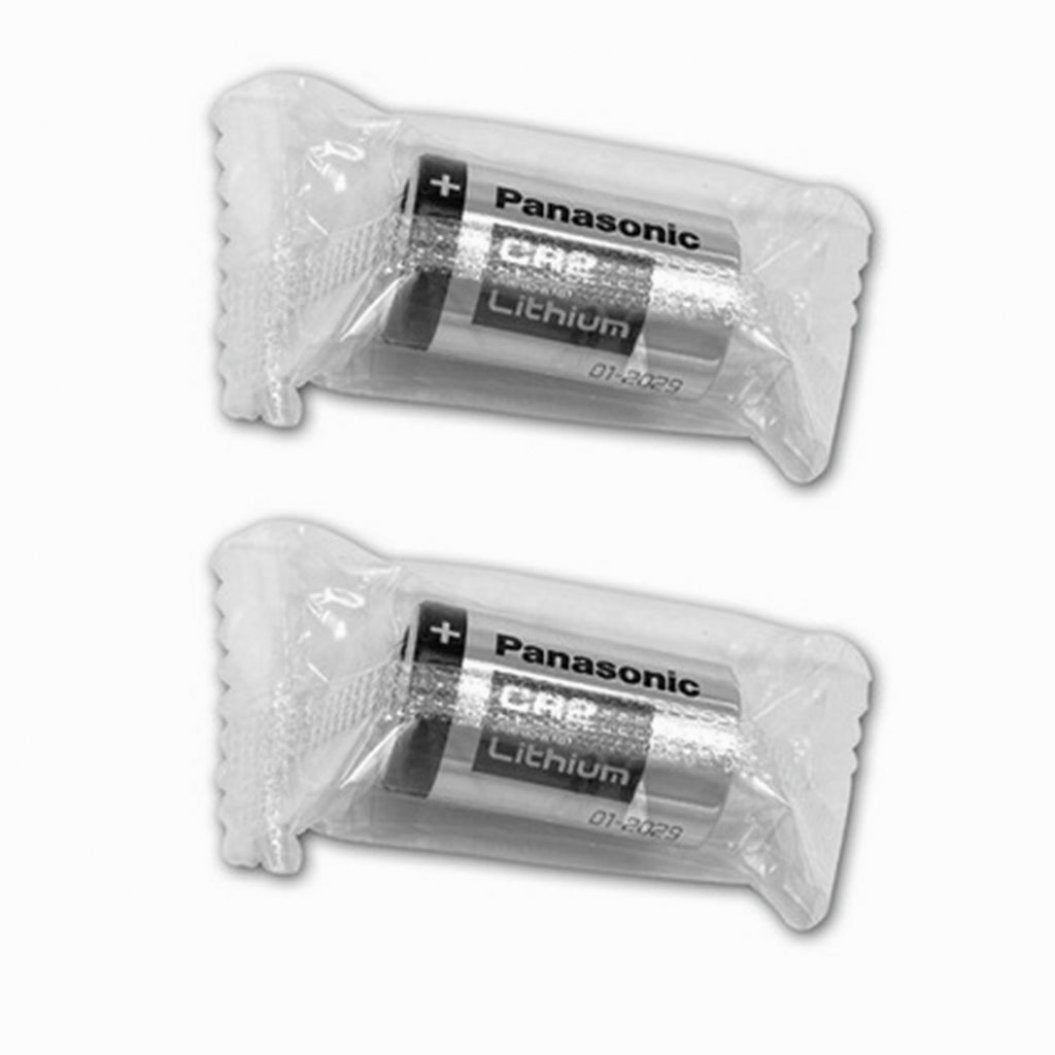
![2pcs 3v 850mAh Cylindrical Battery CR2 for CR15H270 Rangefinder, Polaroid]()
![2pcs 3v 850mAh Cylindrical Battery CR2 for CR15H270 Rangefinder, Polaroid]() Vendor:BATTERYINT
Vendor:BATTERYINT2pcs 3v 850mAh Cylindrical Battery CR2 for CR15H270 Rangefinder, Polaroid
- Regular price
- $8.99
- Regular price
-
- Sale price
- $8.99
- Unit price
- per
2pcs 3v 850mAh Cylindrical ... -
![4pcs 3V 1550mAh Cylindrical Battery CR123A Candy Packed Battery for CR17345 Camera, Instrument]()
![4pcs 3V 1550mAh Cylindrical Battery CR123A Candy Packed Battery for CR17345 Camera, Instrument]() Vendor:BATTERYINT
Vendor:BATTERYINT4pcs 3V 1550mAh Cylindrical Battery CR123A Candy Packed Battery for CR17345 Camera, Instrument
- Regular price
- $11.99
- Regular price
-
- Sale price
- $11.99
- Unit price
- per
4pcs 3V 1550mAh cylindrical... -
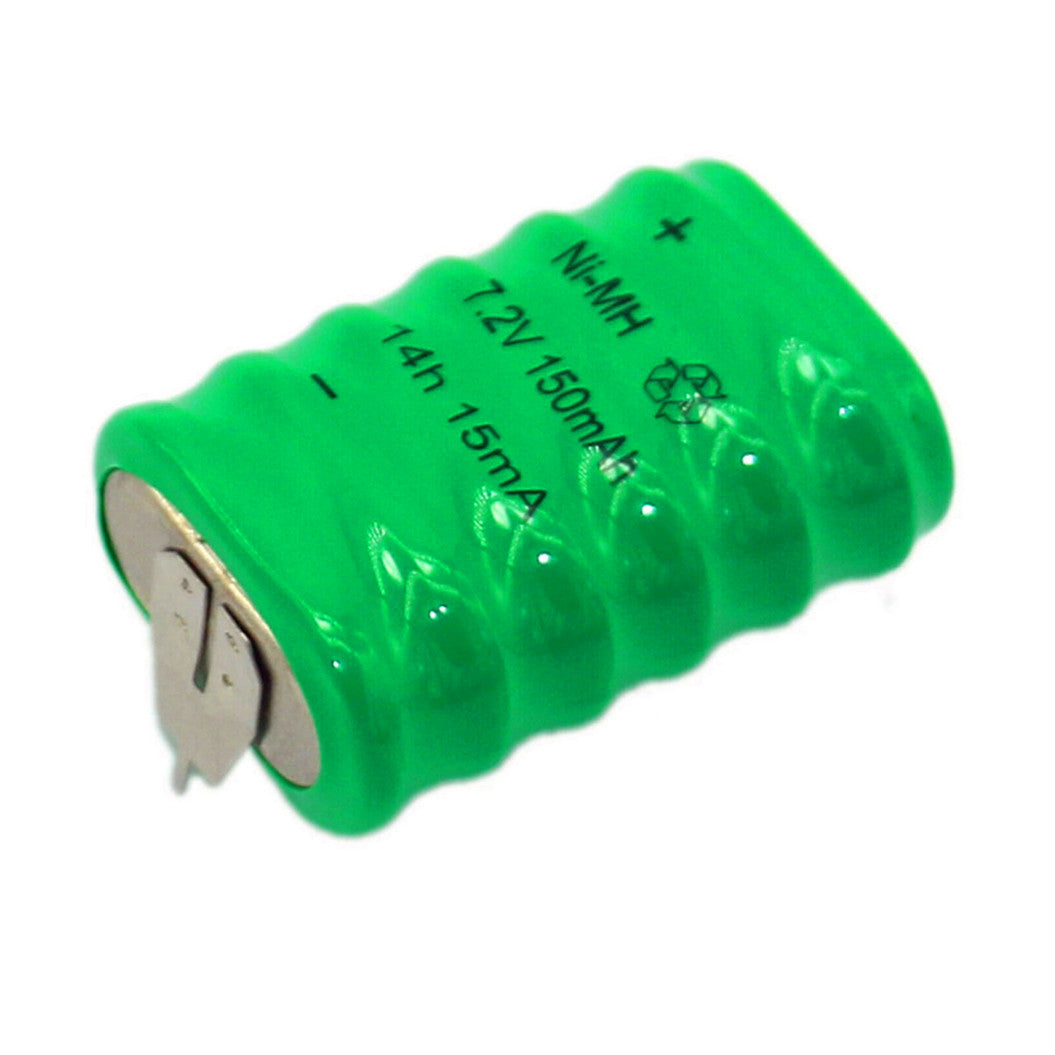
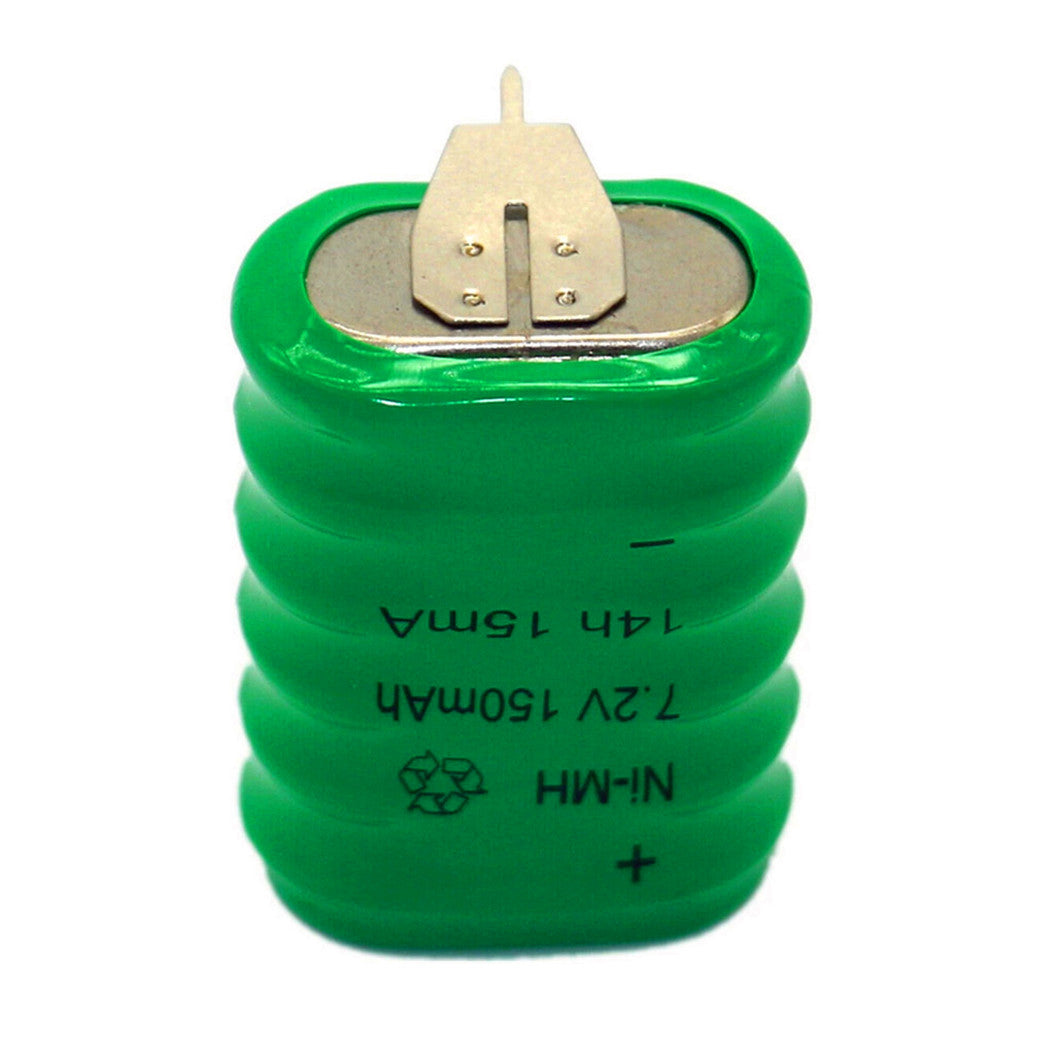
![Ni MH button battery 6 / V150H 7.2V 150MAH for PLC emergency power supply 3P]()
![Ni MH button battery 6 / V150H 7.2V 150MAH for PLC emergency power supply 3P]() Vendor:BATTERYINT
Vendor:BATTERYINTNi MH button battery 6 / V150H 7.2V 150MAH for PLC emergency power supply 3P
- Regular price
- $11.53
- Regular price
-
- Sale price
- $11.53
- Unit price
- per
Ni MH button battery 6 / V1... -
![Ni MH button battery with plug 4.8 V 80 MAH PLC emergency power supply]()
![Ni MH button battery with plug 4.8 V 80 MAH PLC emergency power supply]() Vendor:BATTERYINT
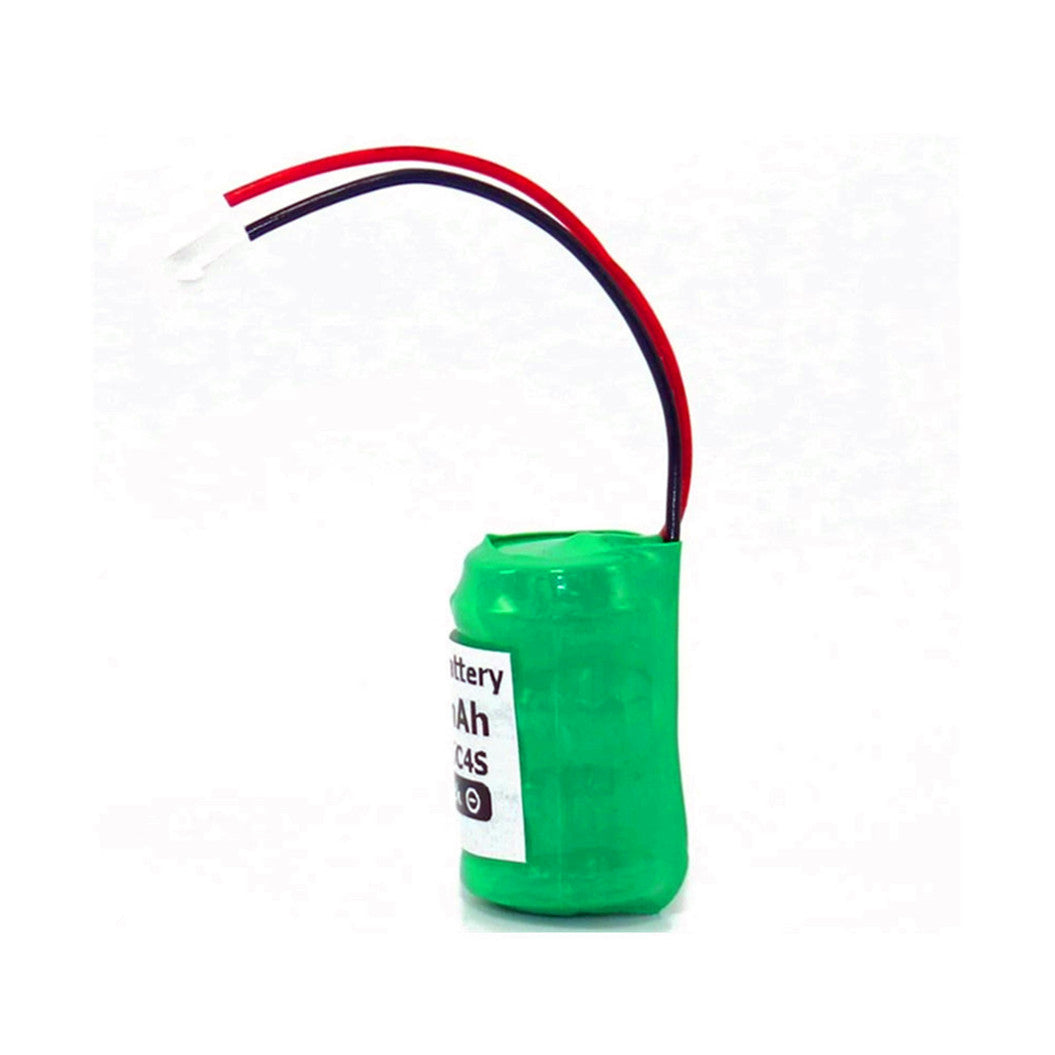
Vendor:BATTERYINTNi MH button battery with plug 4.8 V 80 MAH PLC emergency power supply
- Regular price
- $6.34
- Regular price
-
- Sale price
- $6.34
- Unit price
- per
Ni MH button battery with p... -
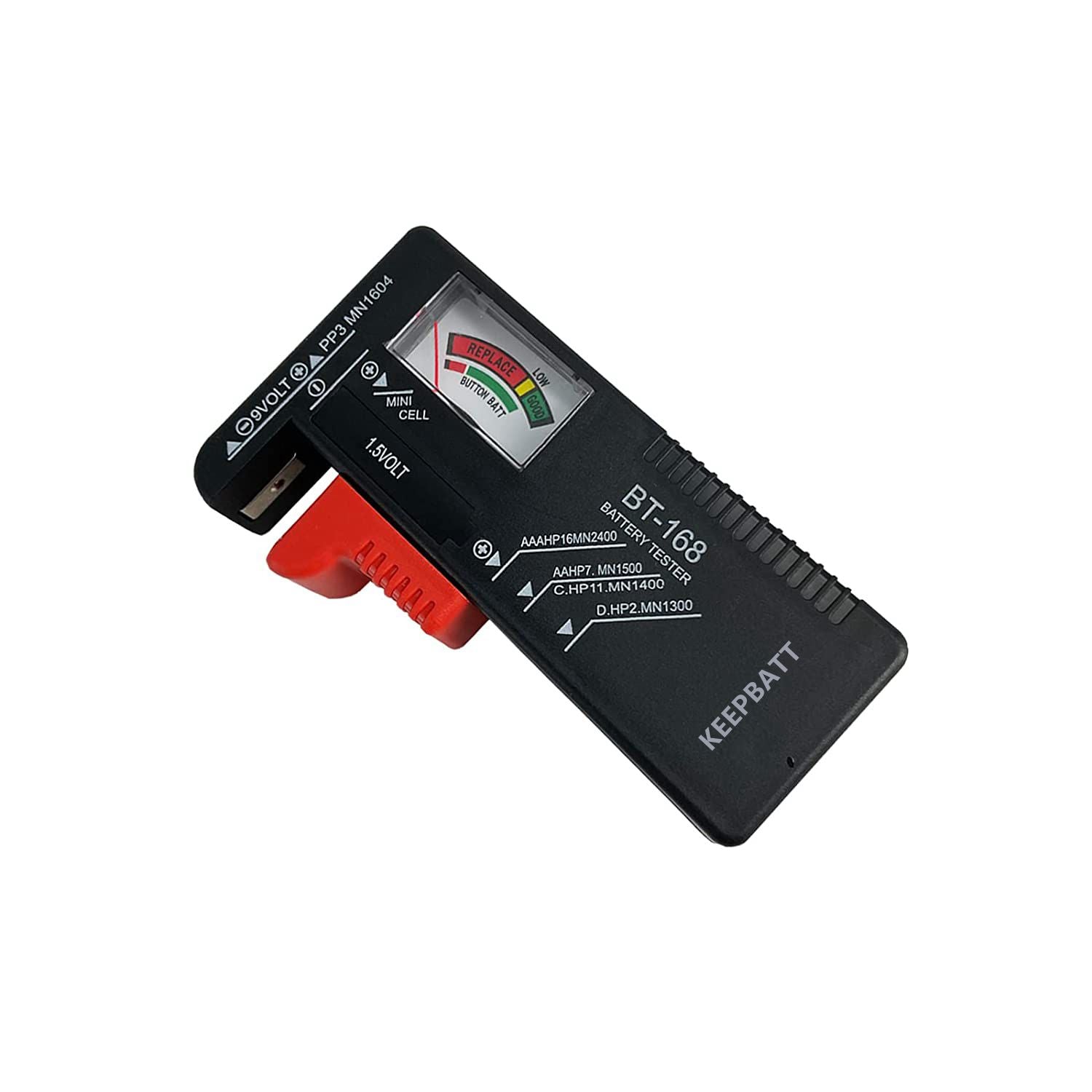
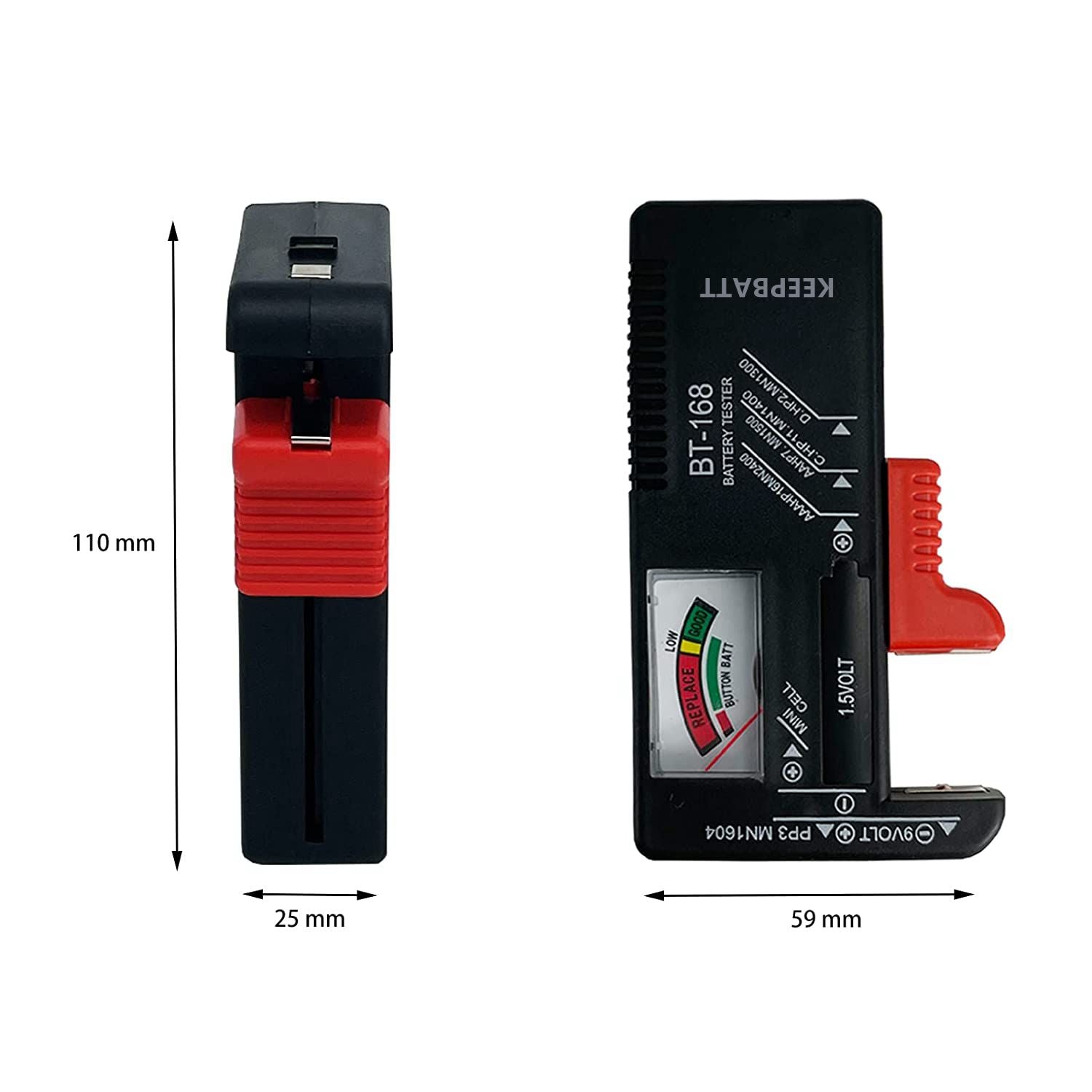
![KEEPBATT Universal Battery Tester Checker for AAA AA C D 9V 1.5V Button Cell Batteries]()
![KEEPBATT Universal Battery Tester Checker for AAA AA C D 9V 1.5V Button Cell Batteries]() Vendor:KEEPBATT
Vendor:KEEPBATTKEEPBATT Universal Battery Tester Checker for AAA AA C D 9V 1.5V Button Cell Batteries
- Regular price
- $6.90
- Regular price
-
- Sale price
- $6.90
- Unit price
- per
KEEPBATT Universal Batter... -
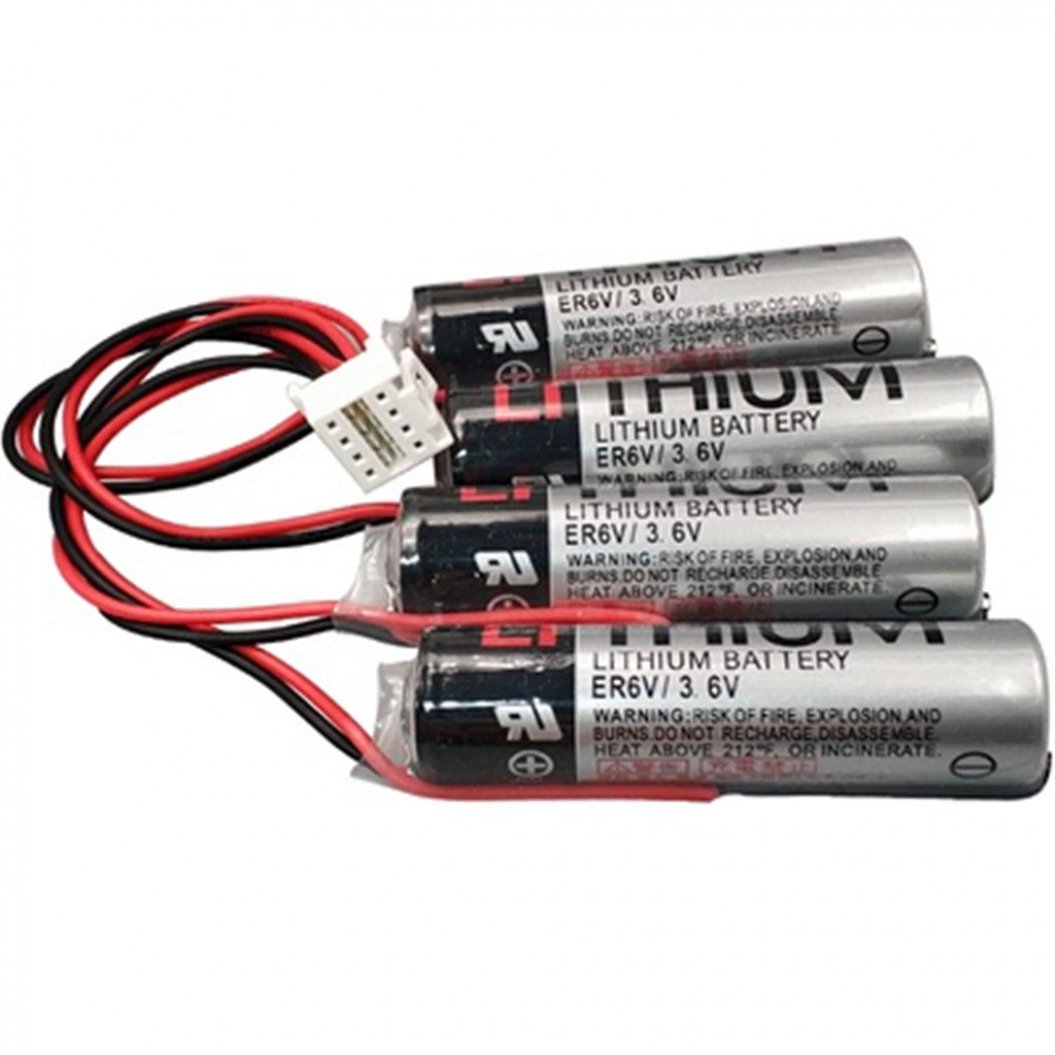
![ER6V/3.6V Battery New YASKAWA/ Yaskawa Hw0470360-A Motoman Robot Battery]() Vendor:BATTERYINT
Vendor:BATTERYINTER6V/3.6V Battery New YASKAWA/ Yaskawa Hw0470360-A Motoman Robot Battery
- Regular price
- $19.99
- Regular price
-
- Sale price
- $19.99
- Unit price
- per
ER6V/3.6V Battery New YASKA... -
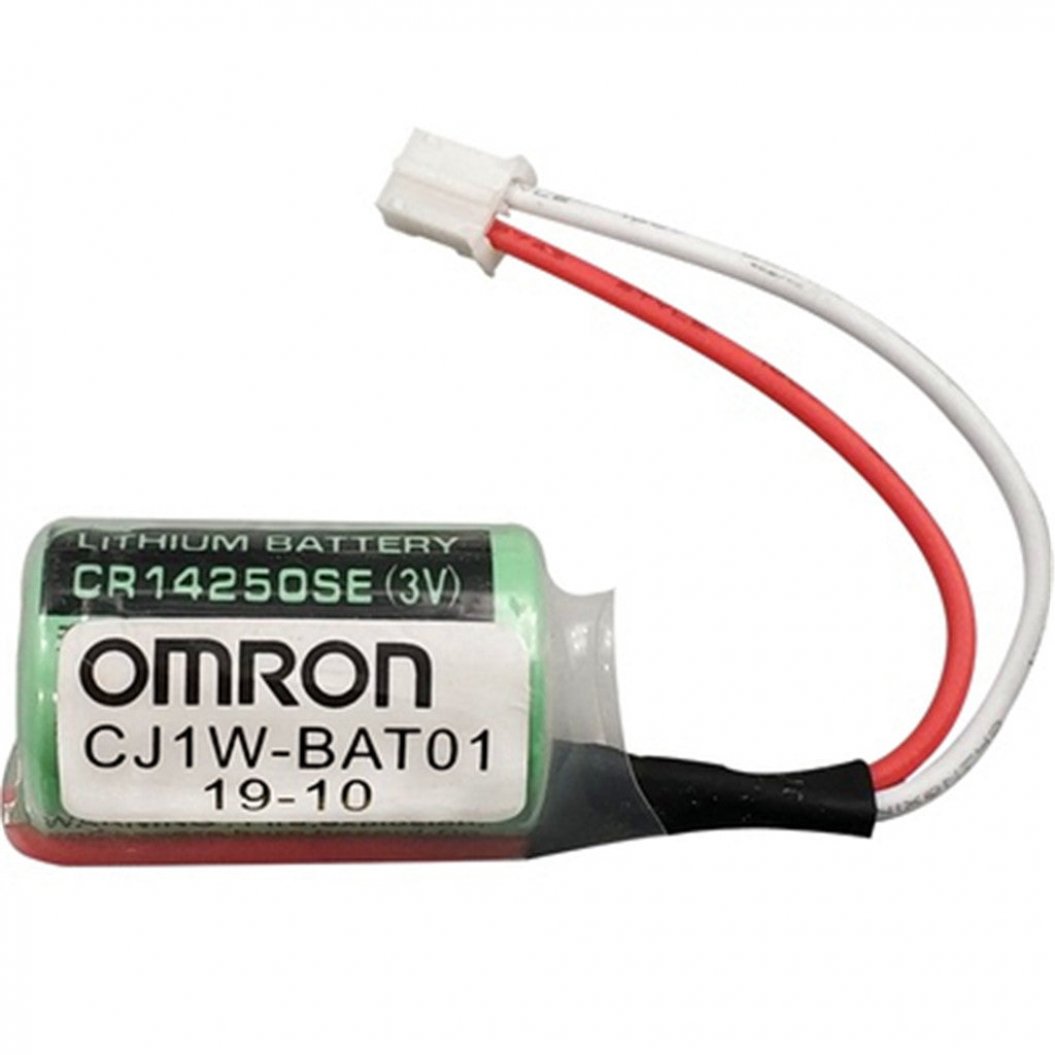
![Brand New Cj1w Batt01 3V Cp1h Cp1l Cr14250se R Omron PLC System Battery]() Vendor:BATTERYINT
Vendor:BATTERYINTBrand New Cj1w Batt01 3V Cp1h Cp1l Cr14250se R Omron PLC System Battery
- Regular price
- $8.99
- Regular price
-
- Sale price
- $8.99
- Unit price
- per
Brand New Cj1w Batt01 3V Cp... -
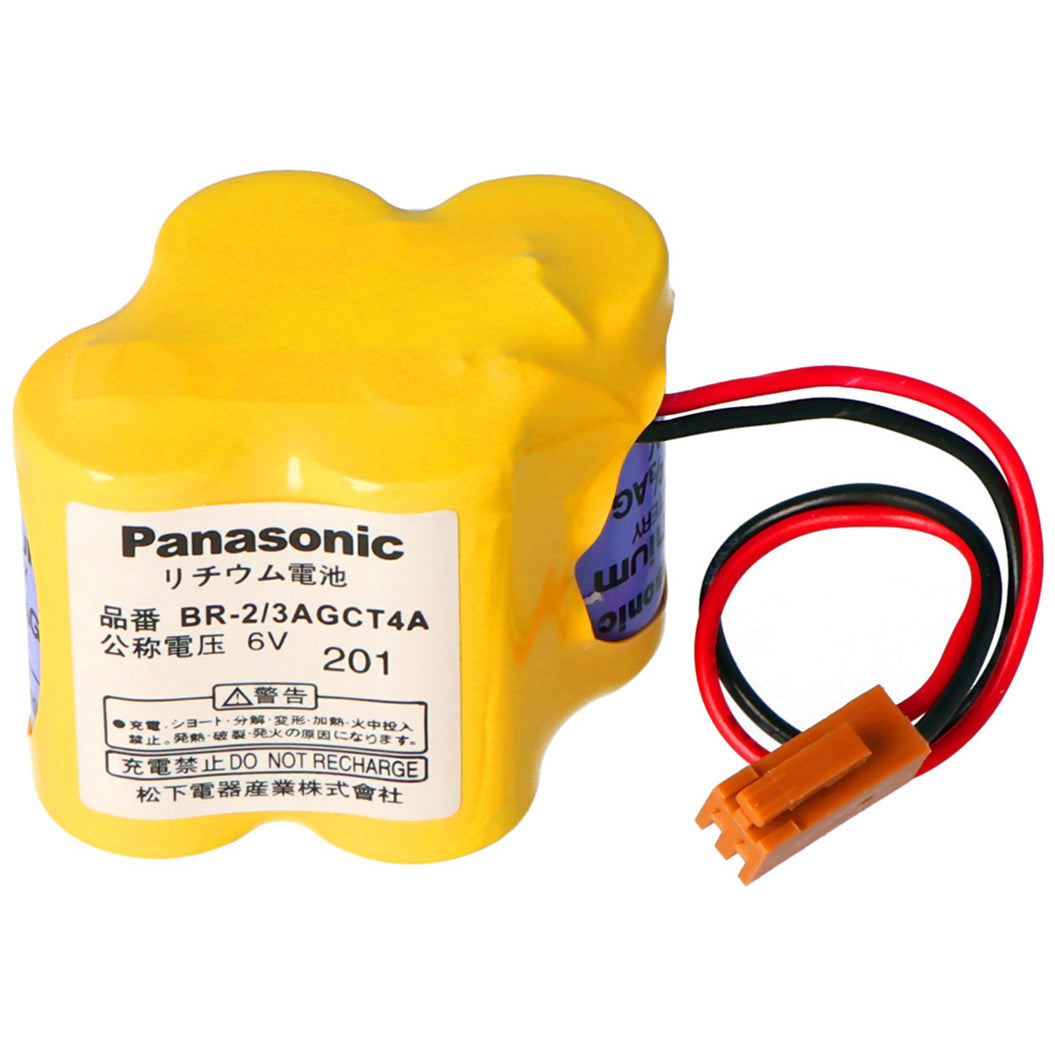
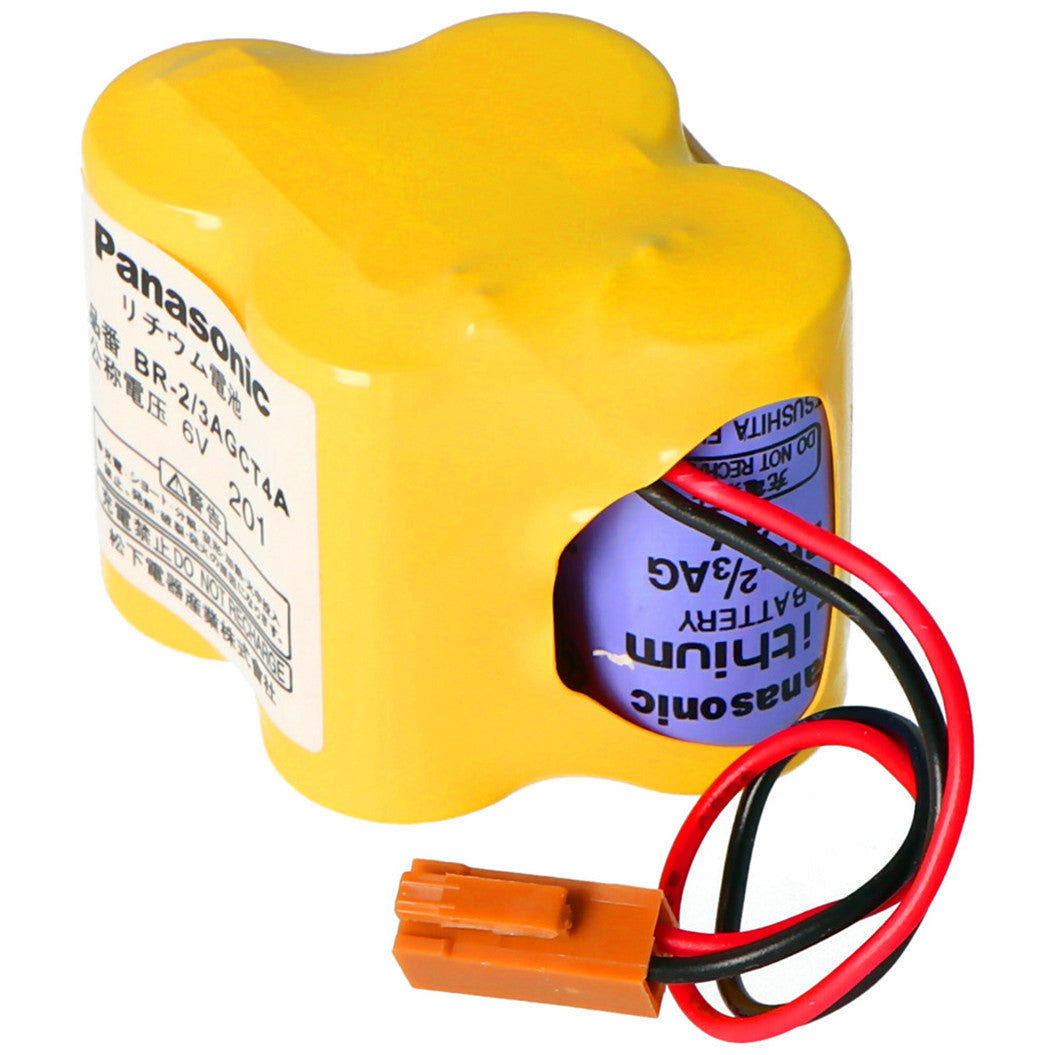
![6v 2900mAh lithium battery for Panasonic BR-2 / 3AGCT4A, FANUC robots]()
![6v 2900mAh lithium battery for Panasonic BR-2 / 3AGCT4A, FANUC robots]() Vendor:BATTERYINT
Vendor:BATTERYINT6v 2900mAh lithium battery for Panasonic BR-2 / 3AGCT4A, FANUC robots
- Regular price
- $28.35
- Regular price
-
- Sale price
- $28.35
- Unit price
- per
6v 2900mAh lithium battery ... -
![6pcs 3V 200mAh Battery BR2032 Lithium Button Battery with Soldering Foot Can Make Various Pins]()
![6pcs 3V 200mAh Battery BR2032 Lithium Button Battery with Soldering Foot Can Make Various Pins]() Vendor:BATTERYINT
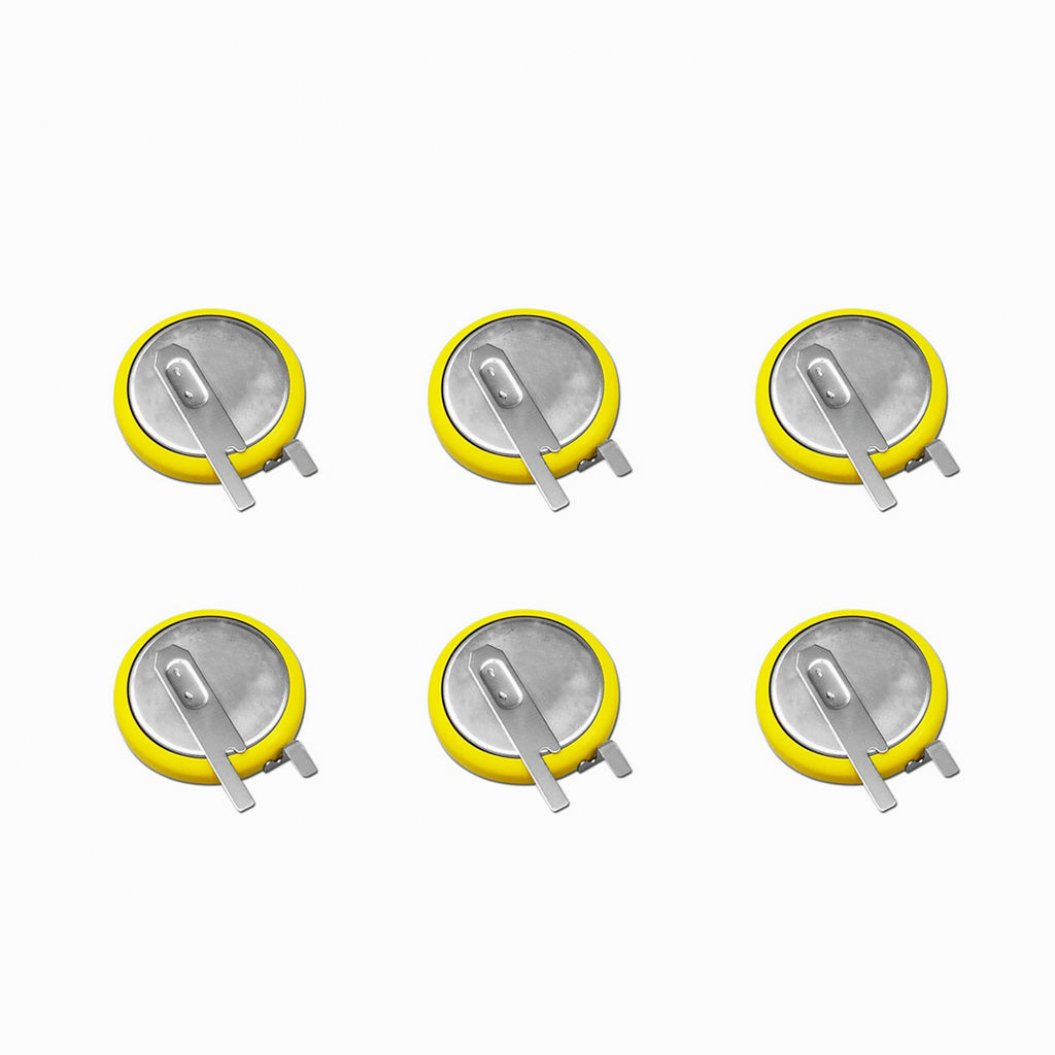
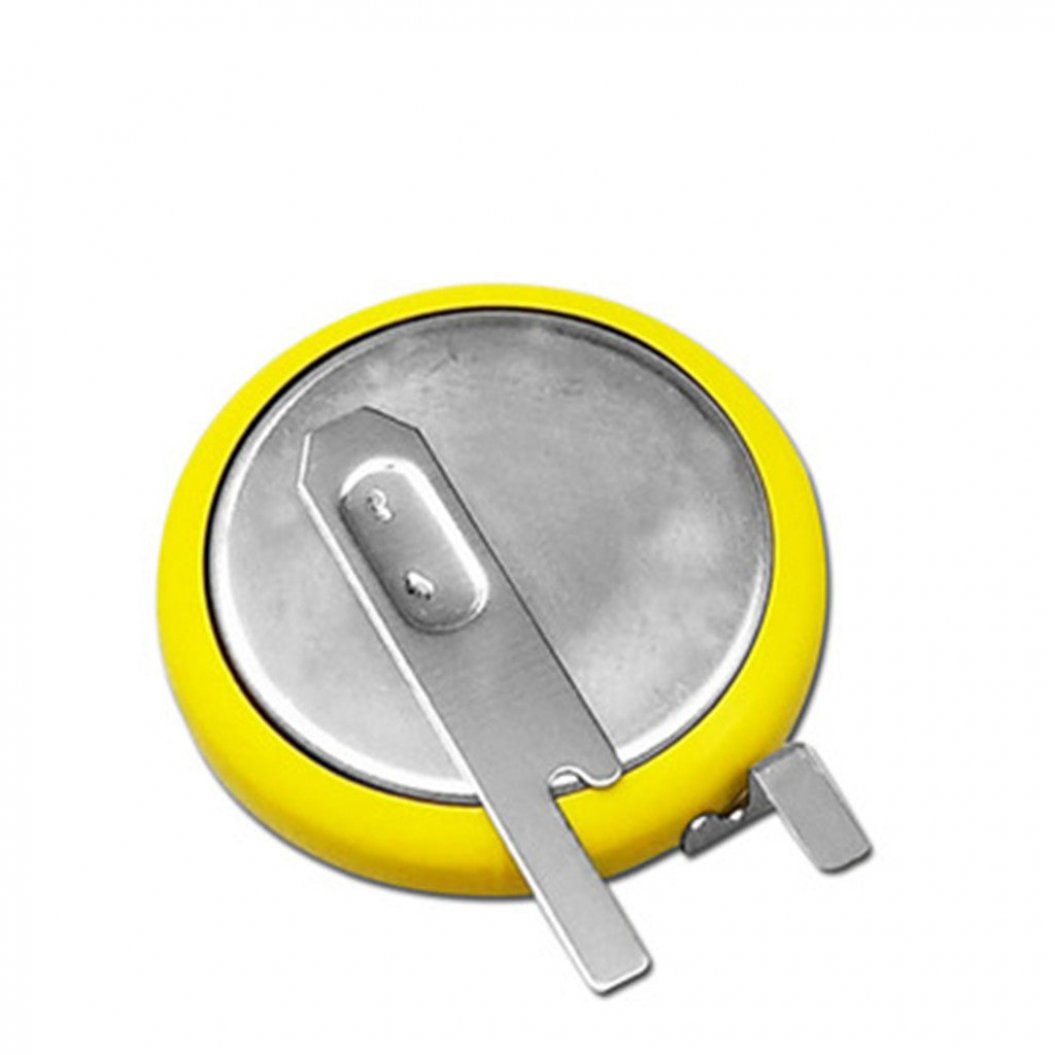
Vendor:BATTERYINT6pcs 3V 200mAh Battery BR2032 Lithium Button Battery with Soldering Foot Can Make Various Pins
- Regular price
- $12.99
- Regular price
-
- Sale price
- $12.99
- Unit price
- per
6pcs 3V 200mAh Battery BR20... -
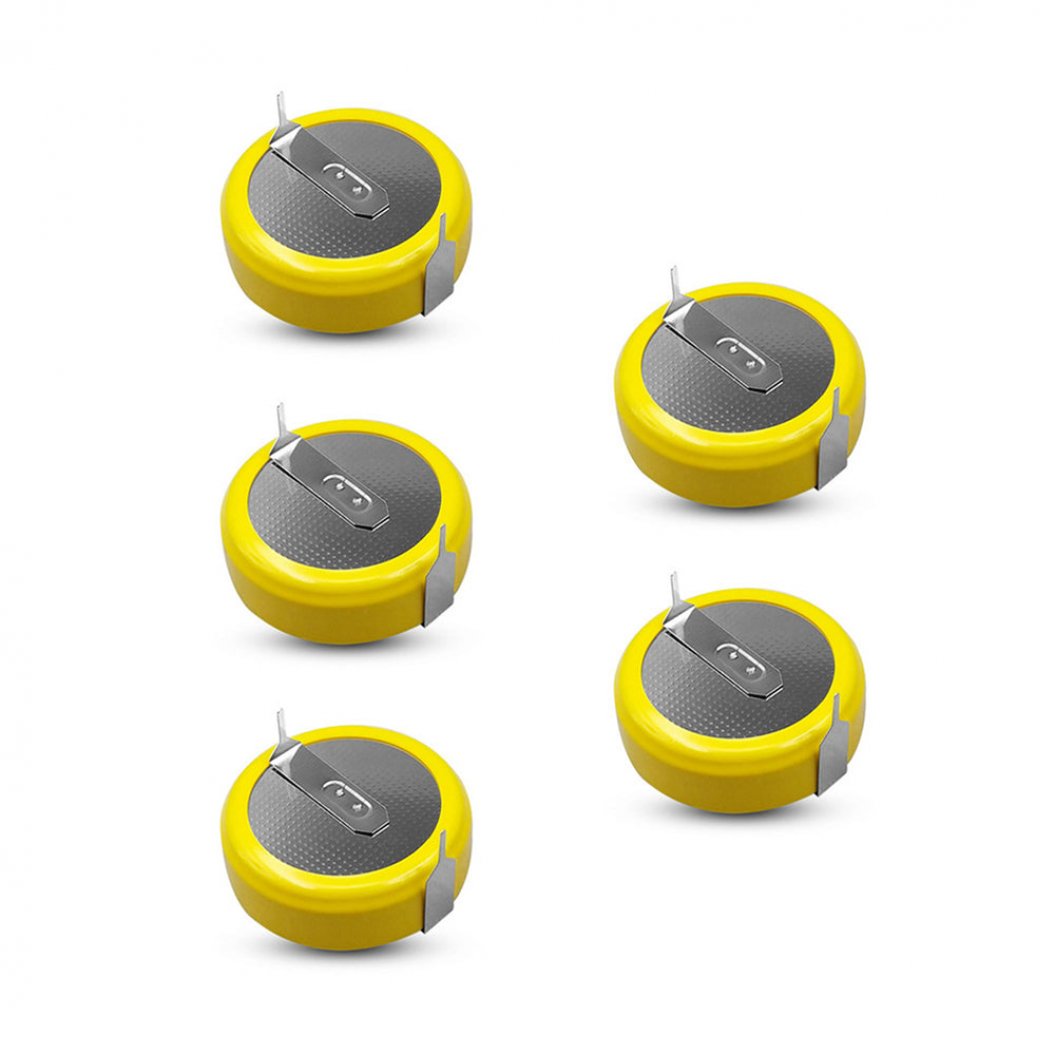
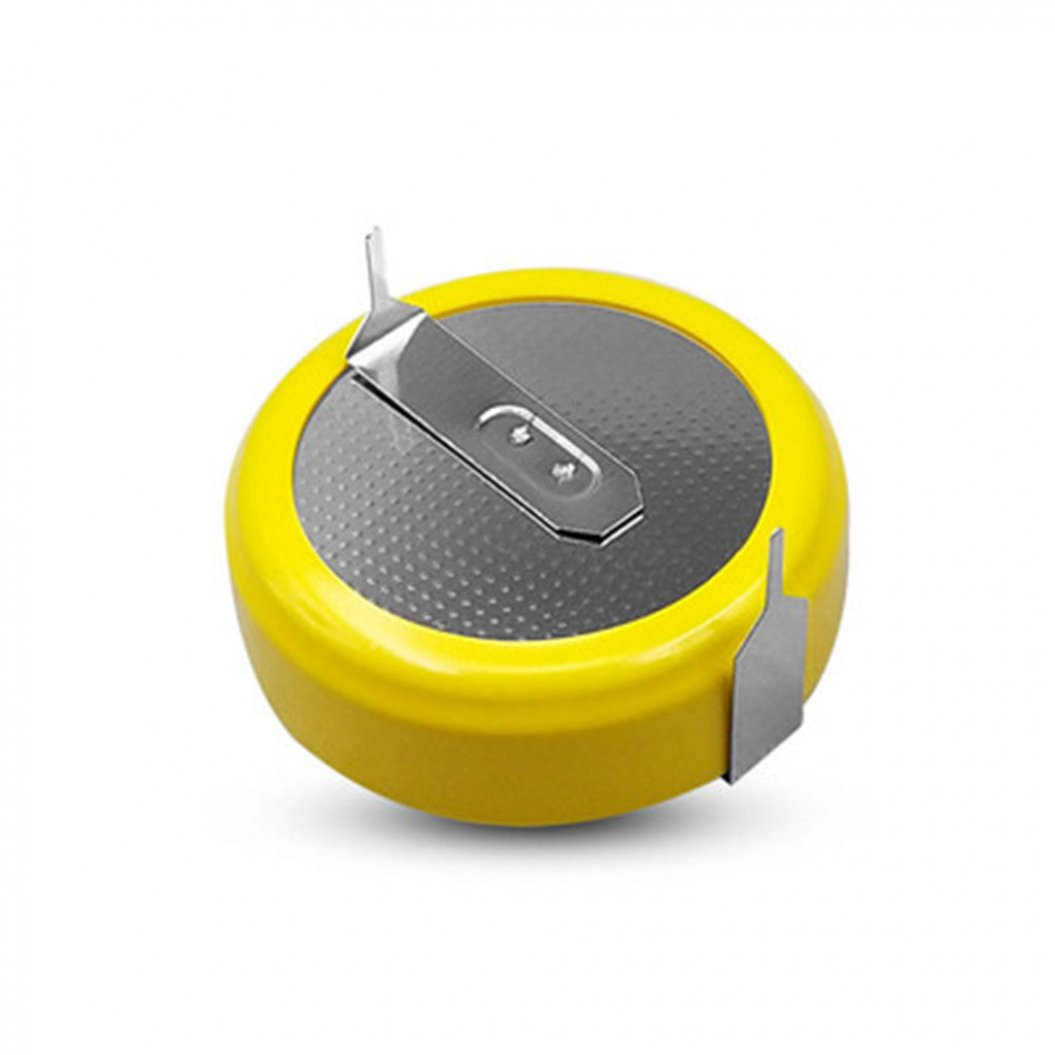
![5pcs CR2477 3V 1000mAh Button Lithium Battery with Soldering Feet Different Pins Can Be Customized for Small Devices]()
![5pcs CR2477 3V 1000mAh Button Lithium Battery with Soldering Feet Different Pins Can Be Customized for Small Devices]() Vendor:BATTERYINT
Vendor:BATTERYINT5pcs CR2477 3V 1000mAh Button Lithium Battery with Soldering Feet Different Pins Can Be Customized for Small Devices
- Regular price
- $16.99
- Regular price
-
- Sale price
- $16.99
- Unit price
- per
5pcs CR2477 3V 1000mAh Butt...


Showing 25 -36 of 78 items
1. What Is an Industrial Battery?
An industrial battery is a power storage device used in large equipment and industrial applications. These batteries are designed to provide long-lasting energy to support heavy machinery, emergency power systems, and other high-demand equipment.
Unlike common consumer batteries, industrial batteries offer greater capacity and longer life. They typically use lead-acid, nickel-cadmium, or lithium-ion technology to accommodate different environmental and operational requirements.
Unlike common consumer batteries, industrial batteries offer greater capacity and longer life. They typically use lead-acid, nickel-cadmium, or lithium-ion technology to accommodate different environmental and operational requirements.
2. Is There a Difference Between Industrial Batteries and Regular Batteries?
There are several key differences between industrial and conventional batteries. Firstly, industrial batteries, such as industrial lithium batteries, typically have a larger size and capacity. Second, they are more durable and reliable than conventional batteries, and able to withstand extreme environments and frequent charge/discharge cycles.
Additionally, industrial batteries are designed and materials selected to meet the stringent requirements of specific industrial applications, whereas conventional batteries are more commonly used in everyday consumer electronics.
Additionally, industrial batteries are designed and materials selected to meet the stringent requirements of specific industrial applications, whereas conventional batteries are more commonly used in everyday consumer electronics.
3. Do Industrial Batteries Last Longer?
Yes, industrial batteries, including industrial AA batteries, typically last longer than conventional batteries. This is because industrial batteries use more durable materials designed to handle continuous operation and heavy loads.
As a result, industrial batteries tend to be superior in terms of durability and affordability over the long term, despite their higher initial cost.
As a result, industrial batteries tend to be superior in terms of durability and affordability over the long term, despite their higher initial cost.
4. How Many Times Can an Industrial Battery Be Recharged?
The number of charge/discharge cycles for industrial batteries depends largely on the battery type.
For example, industrial lithium batteries can perform about 500 to 1,500 charge/discharge cycles, while nickel-cadmium batteries can usually withstand about 500 to 1,000 cycles.
Lithium-iron-phosphorus (LiFePO4) batteries perform even better in terms of charge/discharge performance, reaching 2,000 to 5,000 cycles.
For example, industrial lithium batteries can perform about 500 to 1,500 charge/discharge cycles, while nickel-cadmium batteries can usually withstand about 500 to 1,000 cycles.
Lithium-iron-phosphorus (LiFePO4) batteries perform even better in terms of charge/discharge performance, reaching 2,000 to 5,000 cycles.
5. How Do You Charge an Industrial Battery?
To properly charge an industrial battery, you can follow these steps:
- Ensure that the charger used is matched to the type of industrial battery. Keep the voltage and current settings of the charger meet the specifications of the industrial battery packs.
- Adhere to the manufacturer's instructions during the charging process. Avoid risks such as overcharging which can damage the industrial batteries.
- Regularly check the condition of both the battery and the charger. This ensures that the charging process is efficient and safe.
- Ensure that the charger used is matched to the type of industrial battery. Keep the voltage and current settings of the charger meet the specifications of the industrial battery packs.
- Adhere to the manufacturer's instructions during the charging process. Avoid risks such as overcharging which can damage the industrial batteries.
- Regularly check the condition of both the battery and the charger. This ensures that the charging process is efficient and safe.
6. How Do You Store Industrial Battery?
If you are not using industrial batteries, you can store them in these ways:
- Industrial batteries should be stored in a dry, well-ventilated environment. They must be protected from temperature extremes and direct sunlight to prevent damage.
- Charge industrial battery packs to the recommended state before storage, typically maintaining a 50 to 80 percent charge level. This helps prevent over-discharge and prolongs the battery life.
- It is crucial to regularly check the battery’s charge level and overall health. This ensures the battery will continue to perform well when put back into service.
- Industrial batteries should be stored in a dry, well-ventilated environment. They must be protected from temperature extremes and direct sunlight to prevent damage.
- Charge industrial battery packs to the recommended state before storage, typically maintaining a 50 to 80 percent charge level. This helps prevent over-discharge and prolongs the battery life.
- It is crucial to regularly check the battery’s charge level and overall health. This ensures the battery will continue to perform well when put back into service.
7. Can Industrial Batteries Be Customised?
Yes, industrial batteries, including industrial aa batteries, can be customized to meet specific needs. We typically offer a variety of configuration options, including battery size, shape, voltage, capacity, and connection methods to suit different industrial applications and equipment needs.
Additionally, customers can choose a specific battery technology, such as lead-acid, nickel-cadmium, or lithium-ion, to meet specific size, performance, and durability requirements.
Additionally, customers can choose a specific battery technology, such as lead-acid, nickel-cadmium, or lithium-ion, to meet specific size, performance, and durability requirements.