
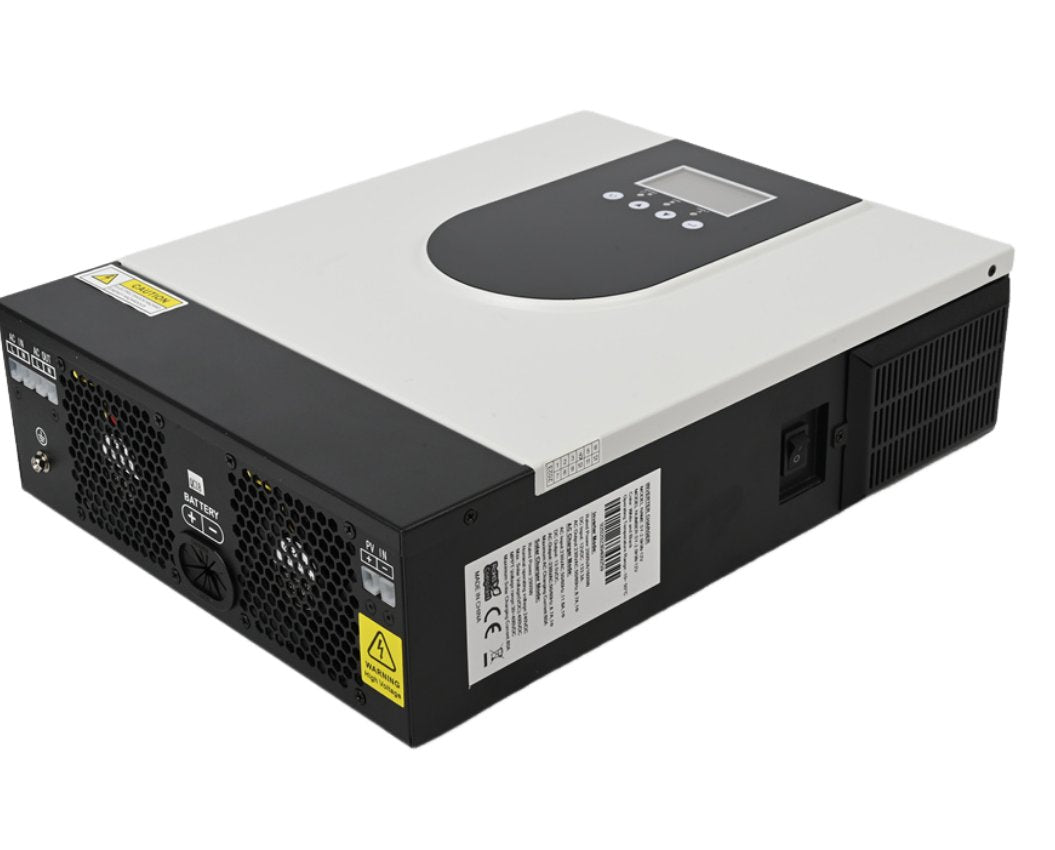
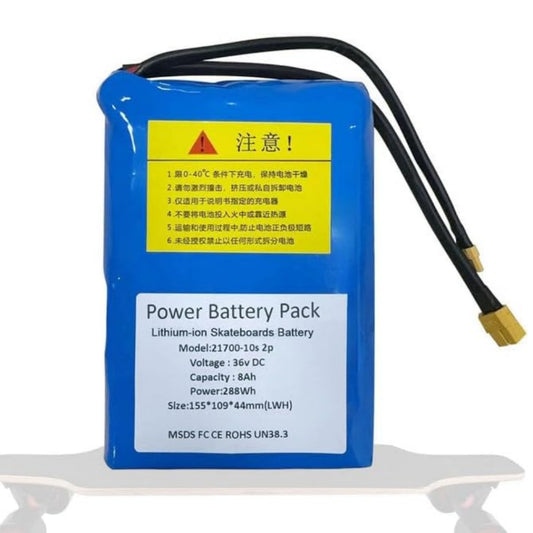
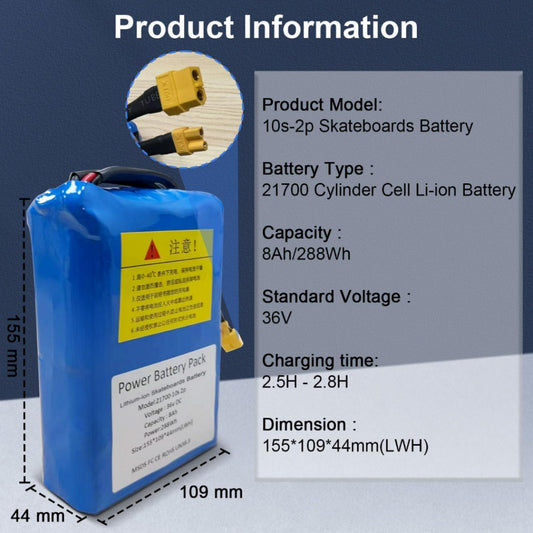
KEEPBATT 36V 8Ah 交換用リチウムバッテリー Meepo V5ER MINI5 ER 電動スケートボード用
- 通常価格
- $189.00
- 通常価格
-
- セール価格
- $189.00
- 単価
- あたり
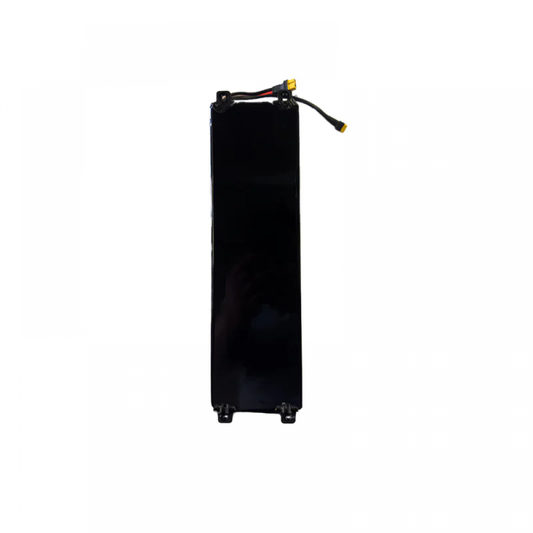
High Performance 48V 20Ah Lithium Battery Fast Charging for Apollo City/City Pro 2022-2024 E-Scooter
- 通常価格
- $310.00
- 通常価格
-
- セール価格
- $310.00
- 単価
- あたり
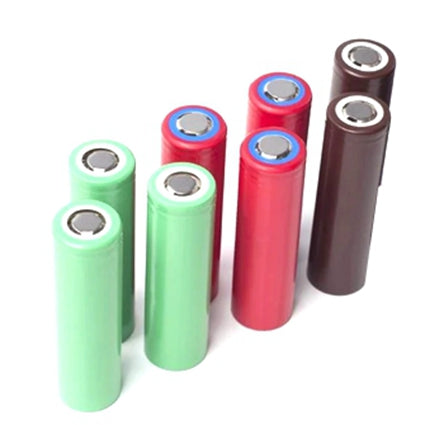
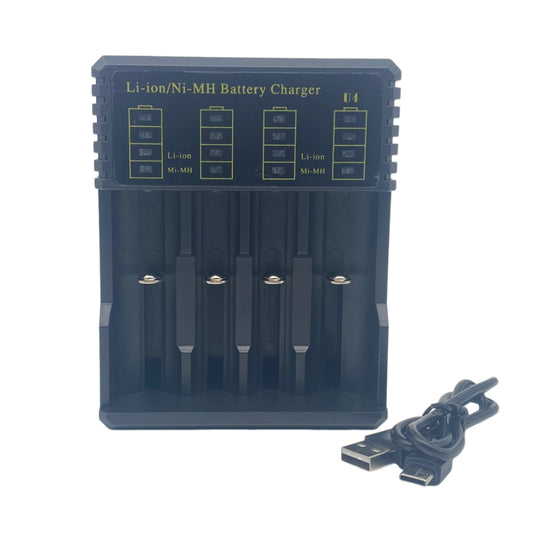
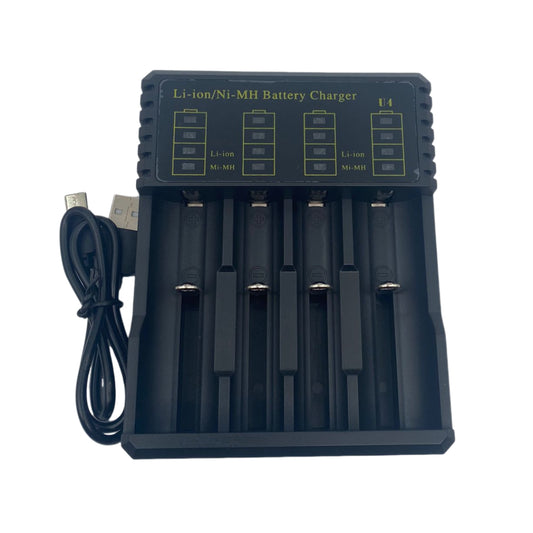
3.7V Li-Ion Ni-MH バッテリー用 バッテリーチャージャー チャージャー ユニバーサル18650 18350 17670 16340 14500
- 通常価格
- $14.99
- 通常価格
-
- セール価格
- $14.99
- 単価
- あたり
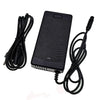
Premium 42V 2A Charger for Phantom Gogo R1 & R1 Pro Electric Scooter
- 通常価格
- $33.90
- 通常価格
-
- セール価格
- $33.90
- 単価
- あたり
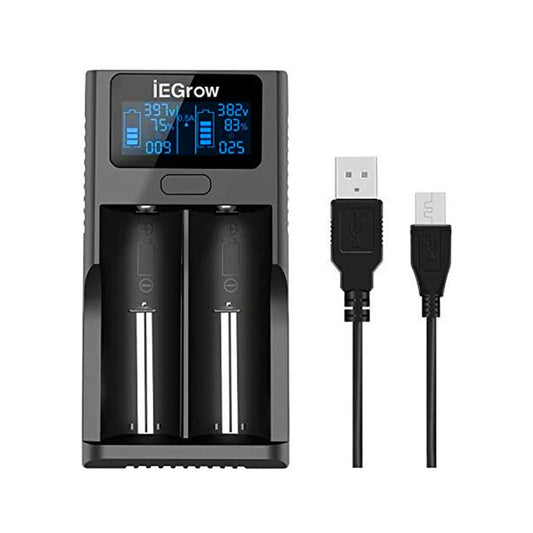
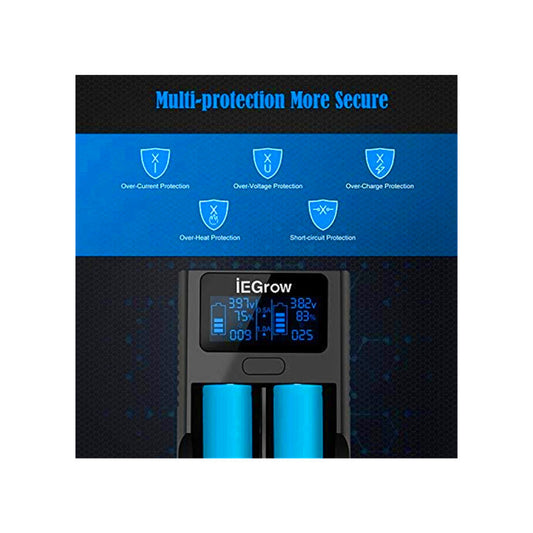
18650バッテリーチャージャー - LCDバッテリーチャージャー USB接続対応、3.7V リチウムイオンバッテリー用、2スロット
- 通常価格
- $18.99
- 通常価格
-
- セール価格
- $18.99
- 単価
- あたり
-
![パロー AR.Drone 2.0 パロー AR Drone 2.0 パワーエディション 11.1V 2300mAh リチウムポリマー電池]()
![パロー AR.Drone 2.0 パロー AR Drone 2.0 パワーエディション 11.1V 2300mAh リチウムポリマー電池]() 販売元:BATTERYINT
販売元:BATTERYINTパロー AR.Drone 2.0 パロー AR Drone 2.0 パワーエディション 11.1V 2300mAh リチウムポリマー電池
- 通常価格
- $38.99
- 通常価格
-
- セール価格
- $38.99
- 単価
- あたり
パロー AR.Drone 2.0 パロー AR Drone 2.0 パワーエディション 11.... -
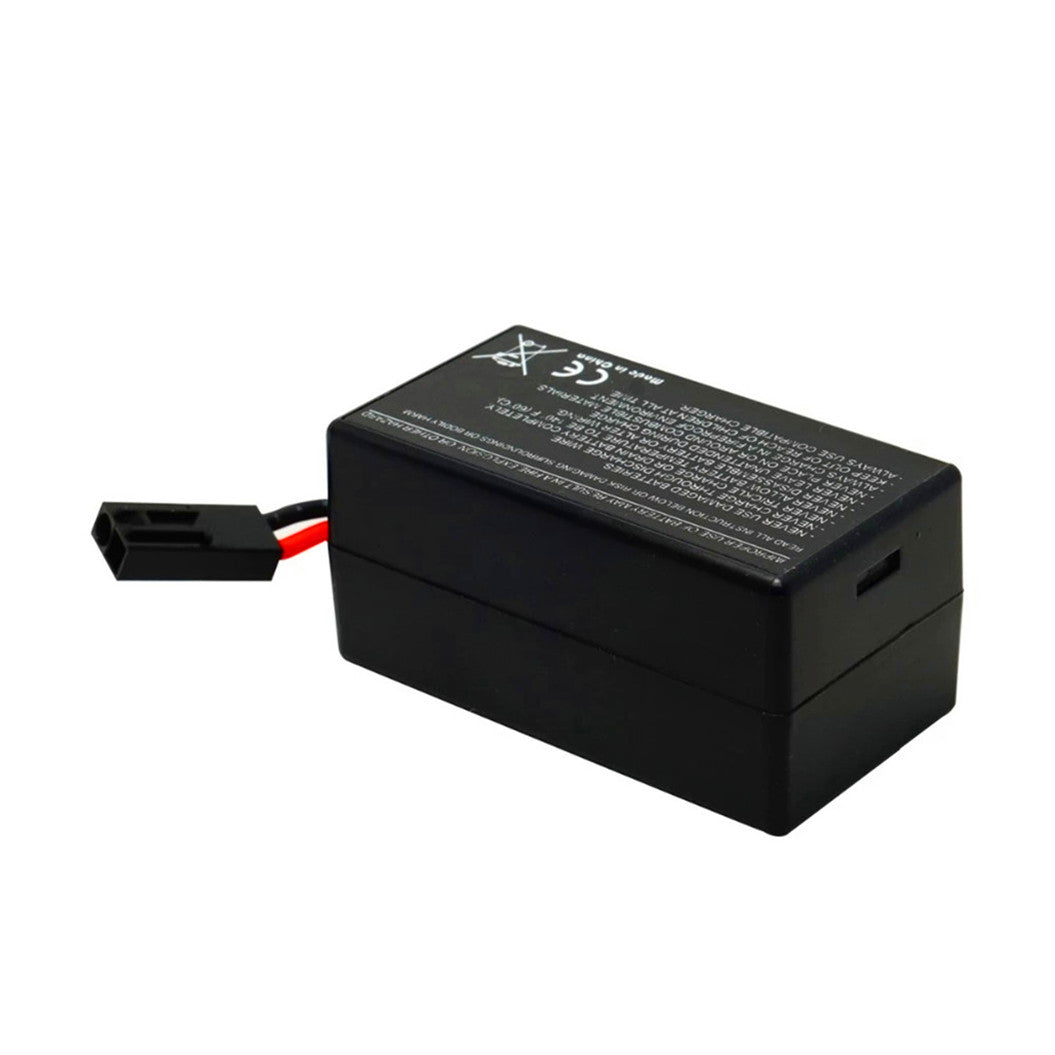
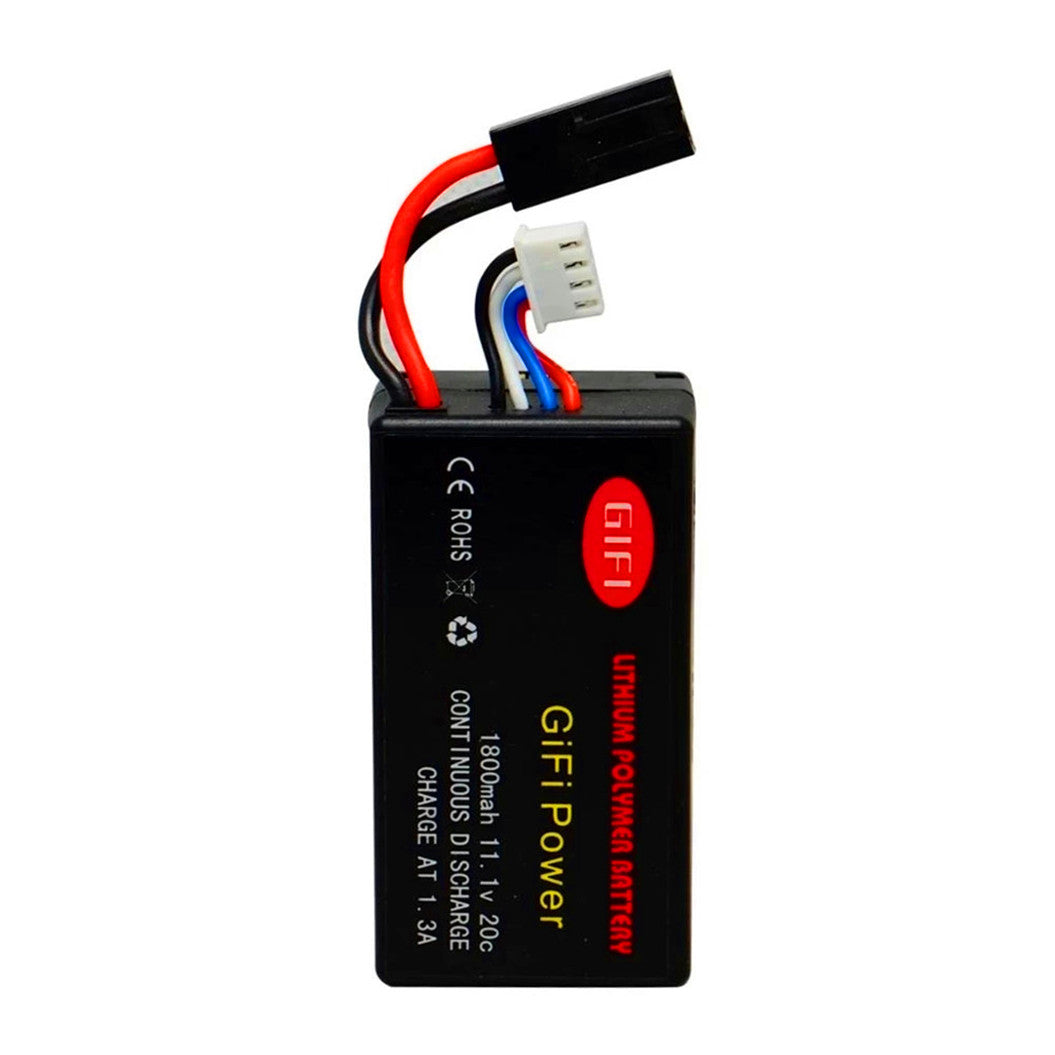
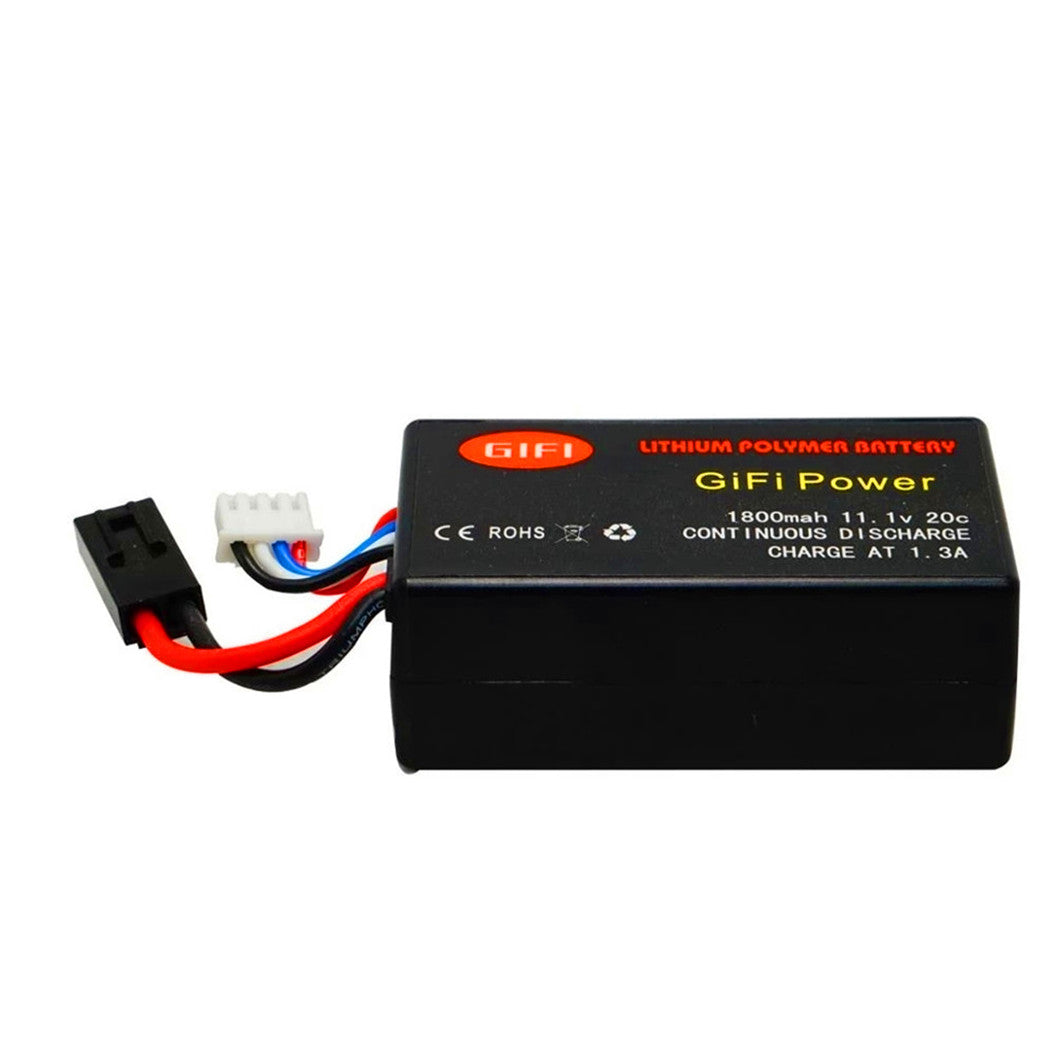
![11.1V 1800mAh リチウムポリマーバッテリー Parrot AR.DRONE 2.0 用]()
![11.1V 1800mAh リチウムポリマーバッテリー Parrot AR.DRONE 2.0 用]() 販売元:BATTERYINT
販売元:BATTERYINT11.1V 1800mAh リチウムポリマーバッテリー Parrot AR.DRONE 2.0 用
- 通常価格
- $25.99
- 通常価格
-
- セール価格
- $25.99
- 単価
- あたり
11.1V 1800mAh リチウムポリマーバッテリー Parrot AR.DRONE 2.0... -
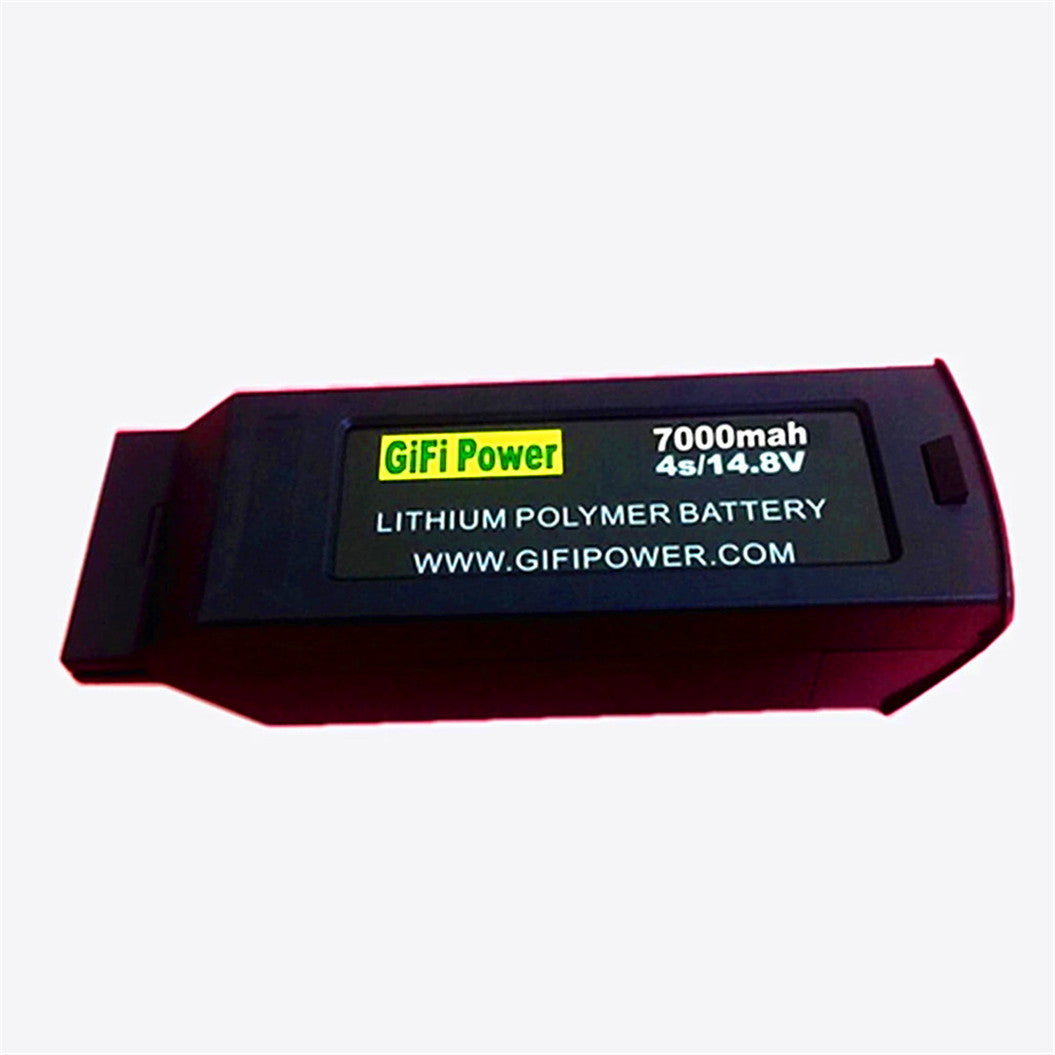
![14.8V 7000mAh 4S リチウムポリマーバッテリー Yuneec Typhoon H RCクアッドコプター用]()
![14.8V 7000mAh 4S リチウムポリマーバッテリー Yuneec Typhoon H RCクアッドコプター用]() 販売元:BATTERYINT
販売元:BATTERYINT14.8V 7000mAh 4S リチウムポリマーバッテリー Yuneec Typhoon H RCクアッドコプター用
- 通常価格
- $109.99
- 通常価格
-
- セール価格
- $109.99
- 単価
- あたり
14.8V 7000mAh 4S リチウムポリマーバッテリー Yuneec Typhoon H... -
![11.1V 1500mAh 20C リチウムポリマーバッテリー Parrot AR.Drone 2.0 クアッドコプター用]()
![11.1V 1500mAh 20C リチウムポリマーバッテリー Parrot AR.Drone 2.0 クアッドコプター用]() 販売元:BATTERYINT
販売元:BATTERYINT11.1V 1500mAh 20C リチウムポリマーバッテリー Parrot AR.Drone 2.0 クアッドコプター用
- 通常価格
- $28.99
- 通常価格
-
- セール価格
- $28.99
- 単価
- あたり
11.1V 1500mAh 20C リチウムポリマーバッテリー Parrot AR.Drone... -
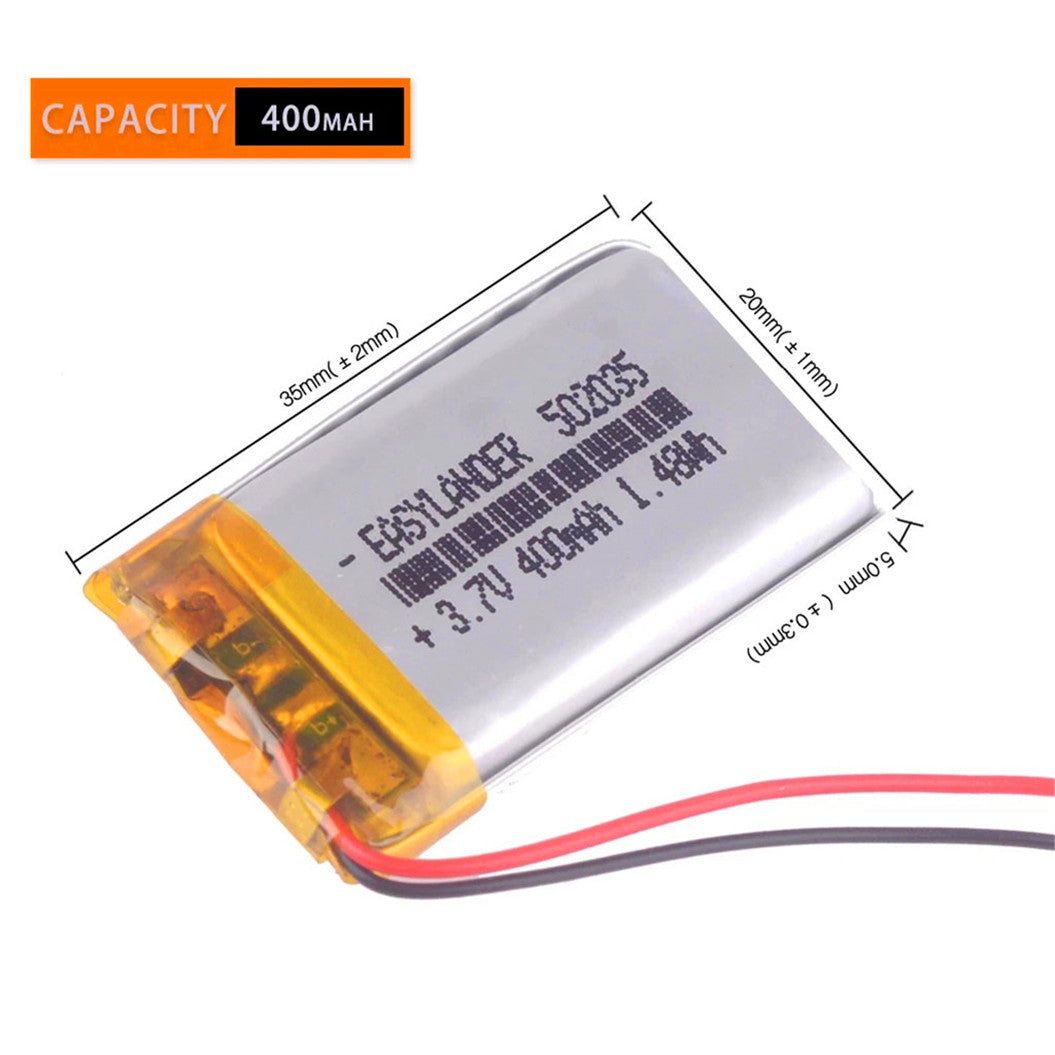
![502035 3.7V 400mAh リチウムポリマーバッテリー MP3 MP4 MP5 おもちゃ DVR 502035PL Mini 0801 Ambarella A2S60用]()
![502035 3.7V 400mAh リチウムポリマーバッテリー MP3 MP4 MP5 おもちゃ DVR 502035PL Mini 0801 Ambarella A2S60用]() 販売元:BATTERYINT
販売元:BATTERYINT502035 3.7V 400mAh リチウムポリマーバッテリー MP3 MP4 MP5 おもちゃ DVR 502035PL Mini 0801 Ambarella A2S60用
- 通常価格
- $9.99
- 通常価格
-
- セール価格
- $9.99
- 単価
- あたり
502035 3.7V 400mAh リチウムポリマーバッテリー MP3 MP4 MP5 おも... -
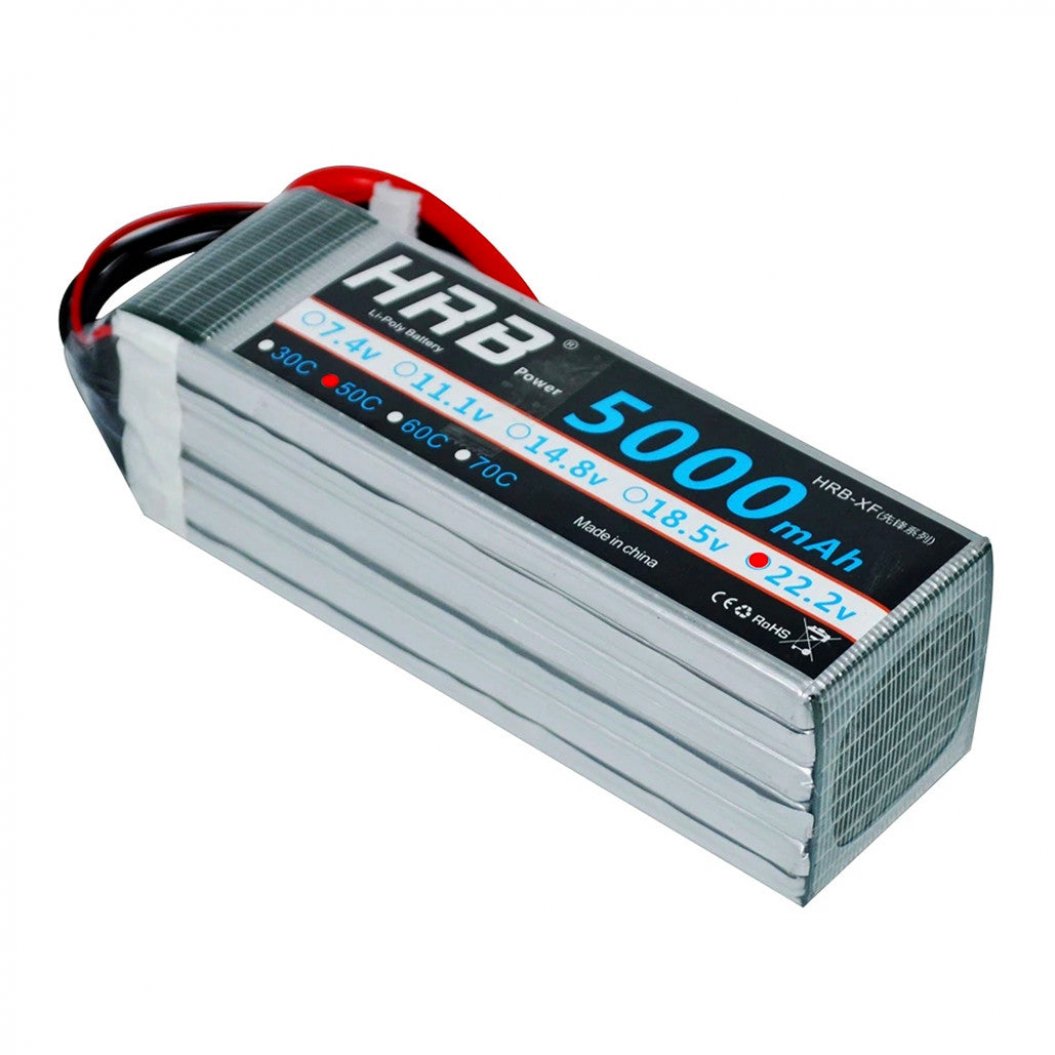
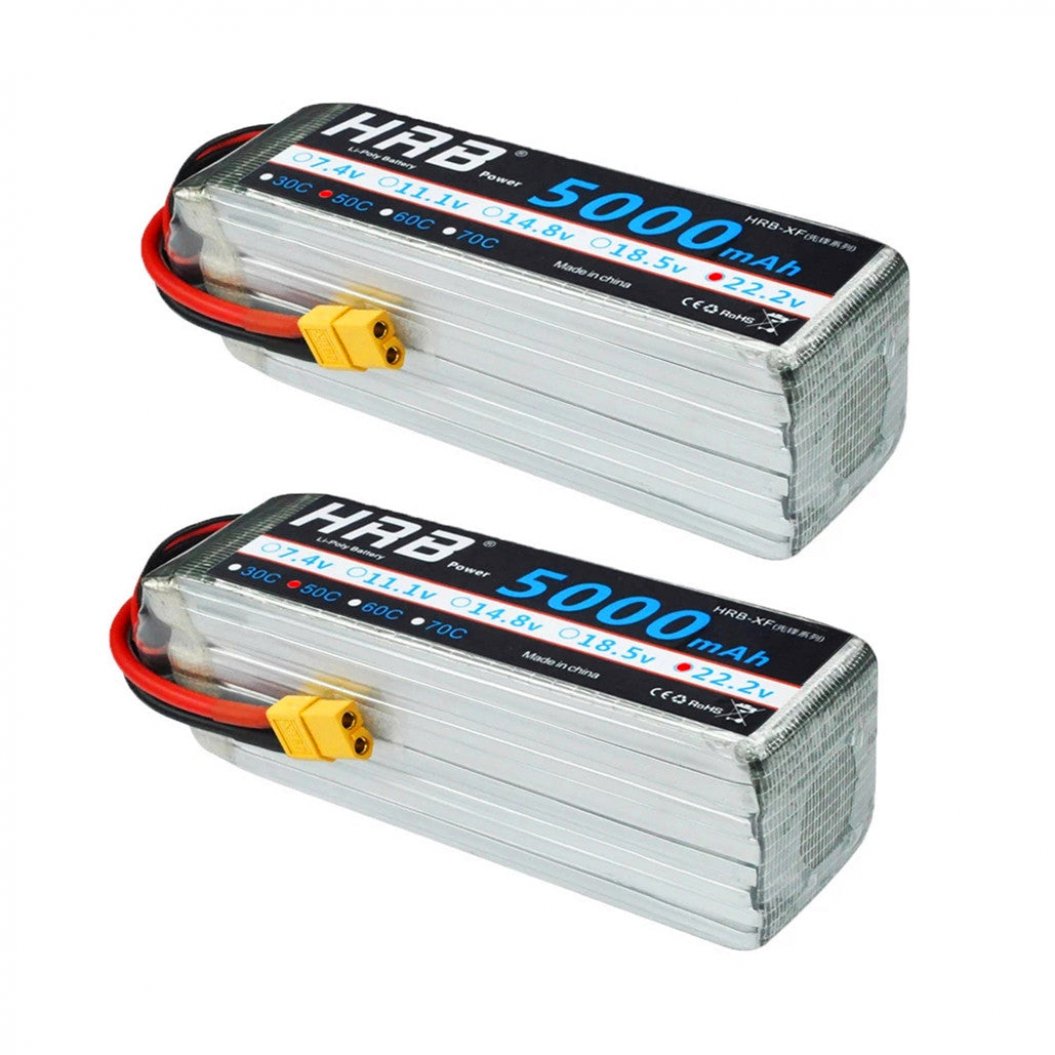
![22.2V XT90 5000mAh 50C 100C 6S RC リチウムポリマーバッテリー リモコン四軸ヘリコプター、ドローン用]()
![22.2V XT90 5000mAh 50C 100C 6S RC リチウムポリマーバッテリー リモコン四軸ヘリコプター、ドローン用]() 販売元:BATTERYINT
販売元:BATTERYINT22.2V XT90 5000mAh 50C 100C 6S RC リチウムポリマーバッテリー リモコン四軸ヘリコプター、ドローン用
- 通常価格
- $139.00
- 通常価格
-
- セール価格
- $139.00
- 単価
- あたり
22.2V XT90 5000mAh 50C 100C 6S RC リチウムポリマーバッテリー... -
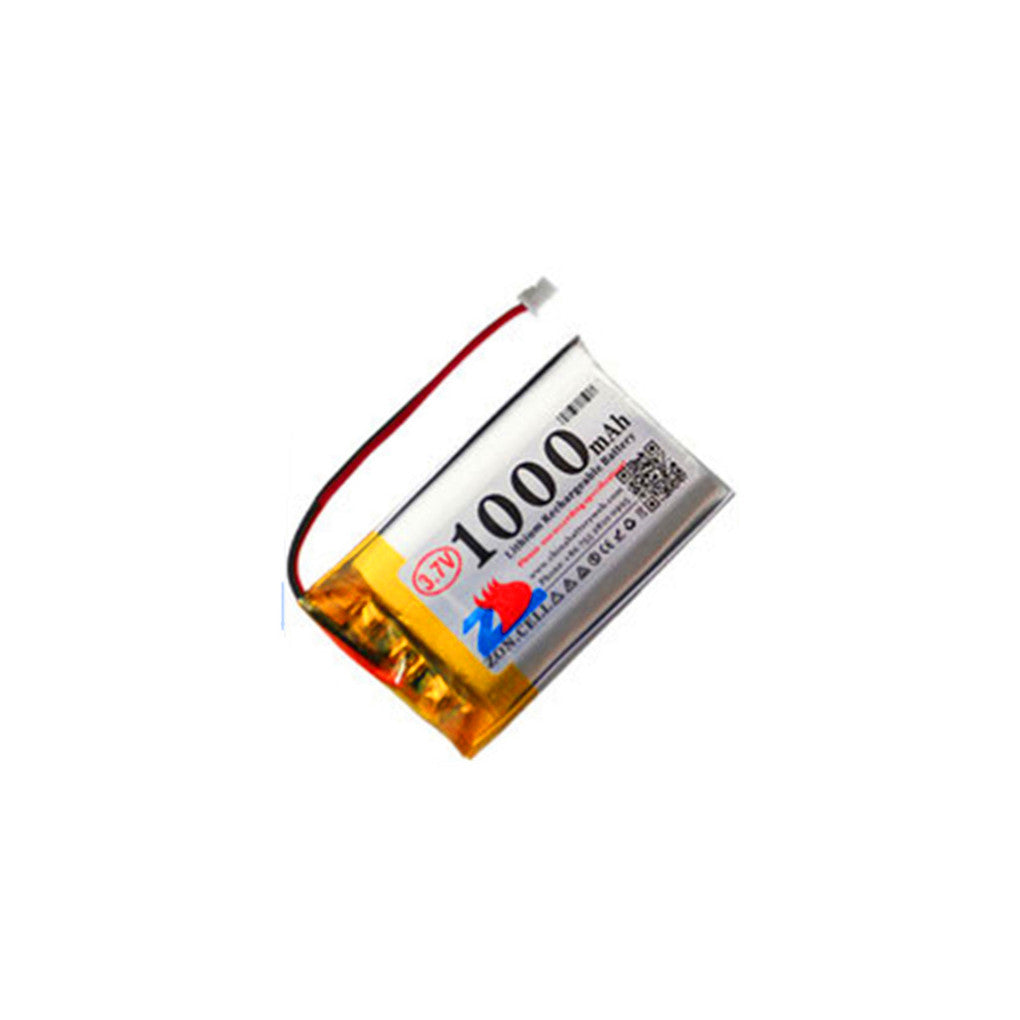
![2個セット 3.7V 1000mAh ZH1.25前向きプラグ 802540 ポリマーリチウムバッテリー]()
![2個セット 3.7V 1000mAh ZH1.25前向きプラグ 802540 ポリマーリチウムバッテリー]() 販売元:BATTERYINT
販売元:BATTERYINT2個セット 3.7V 1000mAh ZH1.25前向きプラグ 802540 ポリマーリチウムバッテリー
- 通常価格
- $13.99
- 通常価格
-
- セール価格
- $13.99
- 単価
- あたり
2個セット 3.7V 1000mAh ZH1.25前向きプラグ 802540 ポリマーリチウム... -
![2個セット 3.7V 700mAh JST逆接続オスプラグ 802540 ポリマーリチウムバッテリーパック]()
![2個セット 3.7V 700mAh JST逆接続オスプラグ 802540 ポリマーリチウムバッテリーパック]() 販売元:BATTERYINT
販売元:BATTERYINT2個セット 3.7V 700mAh JST逆接続オスプラグ 802540 ポリマーリチウムバッテリーパック
- 通常価格
- $10.99
- 通常価格
-
- セール価格
- $10.99
- 単価
- あたり
2個セット 3.7V 700mAh JST逆接続オスプラグ 802540 ポリマーリチウムバッ... -
![2個セット 3.7V 500mAh PH2.0逆プラグ付き502035高温対応ポリマーリチウムバッテリー スマートデバイス用]()
![2個セット 3.7V 500mAh PH2.0逆プラグ付き502035高温対応ポリマーリチウムバッテリー スマートデバイス用]() 販売元:BATTERYINT
販売元:BATTERYINT2個セット 3.7V 500mAh PH2.0逆プラグ付き502035高温対応ポリマーリチウムバッテリー スマートデバイス用
- 通常価格
- $9.99
- 通常価格
-
- セール価格
- $9.99
- 単価
- あたり
2個セット 3.7V 500mAh PH2.0逆プラグ付き502035高温対応ポリマーリチウム... -
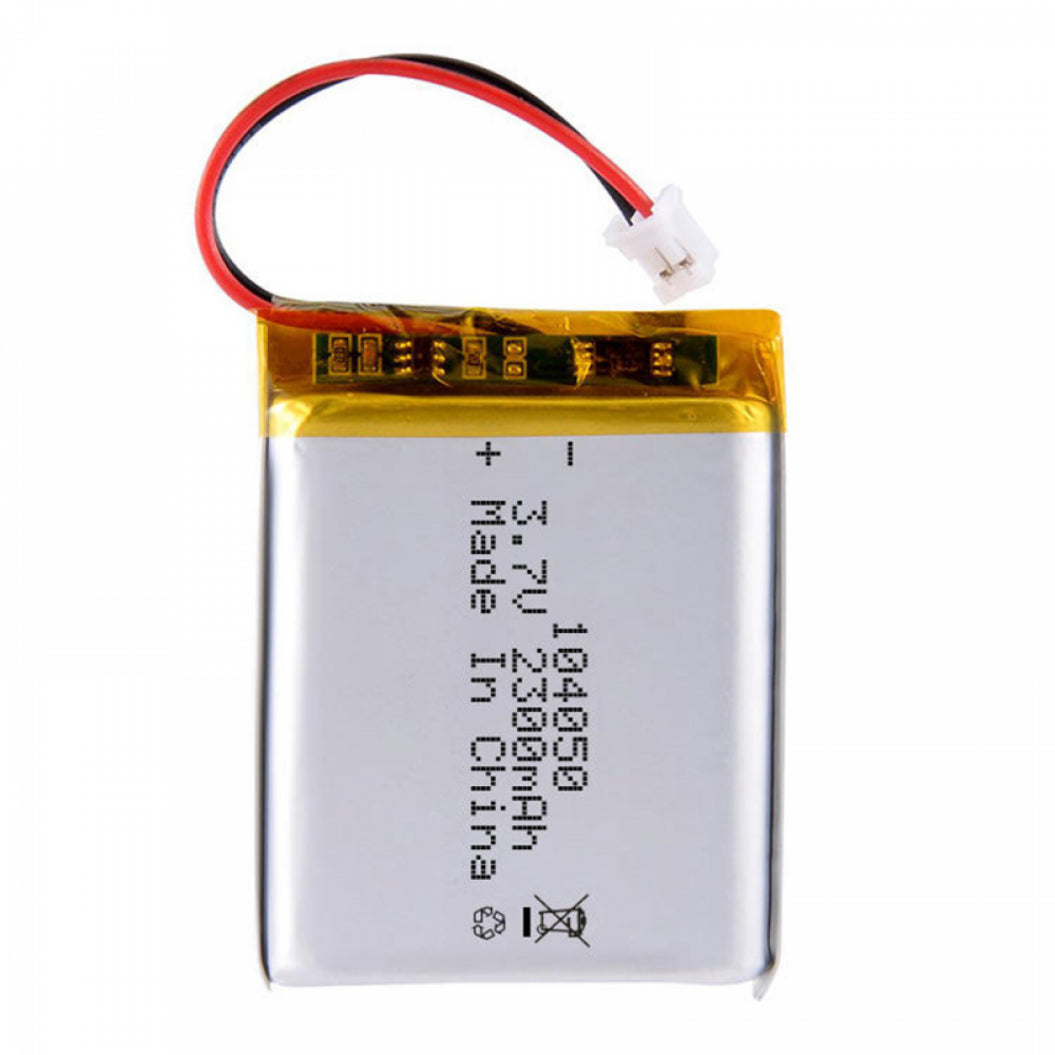
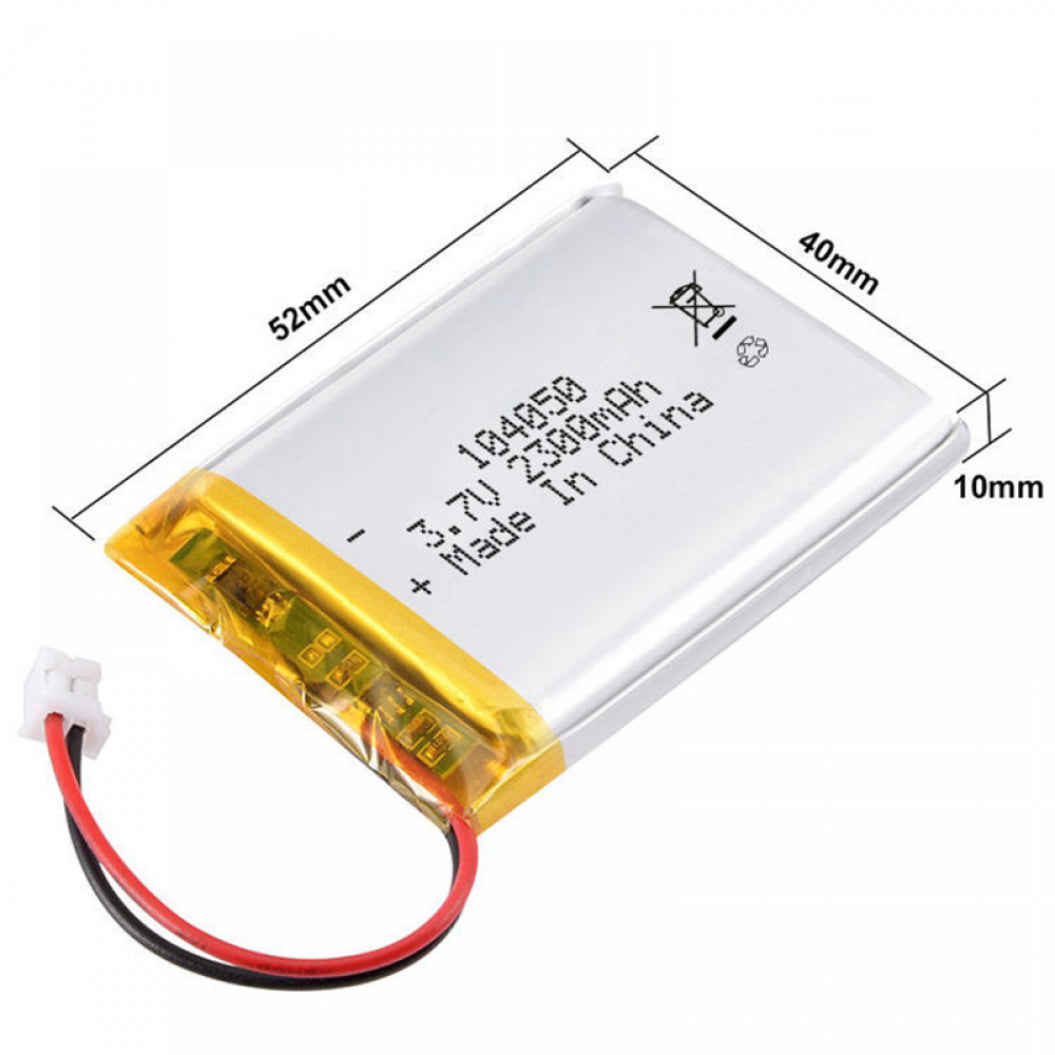
![3.7V 2300mAh 104050 Li-ion バッテリー 高容量ポリマリチウムバッテリーパック モバイルフォン・ノートパソコン用]()
![3.7V 2300mAh 104050 Li-ion バッテリー 高容量ポリマリチウムバッテリーパック モバイルフォン・ノートパソコン用]() 販売元:BATTERYINT
販売元:BATTERYINT3.7V 2300mAh 104050 Li-ion バッテリー 高容量ポリマリチウムバッテリーパック モバイルフォン・ノートパソコン用
- 通常価格
- $7.89
- 通常価格
-
- セール価格
- $7.89
- 単価
- あたり
3.7V 2300mAh 104050 Li-ion バッテリー 高容量ポリマリチウムバッテリ... -
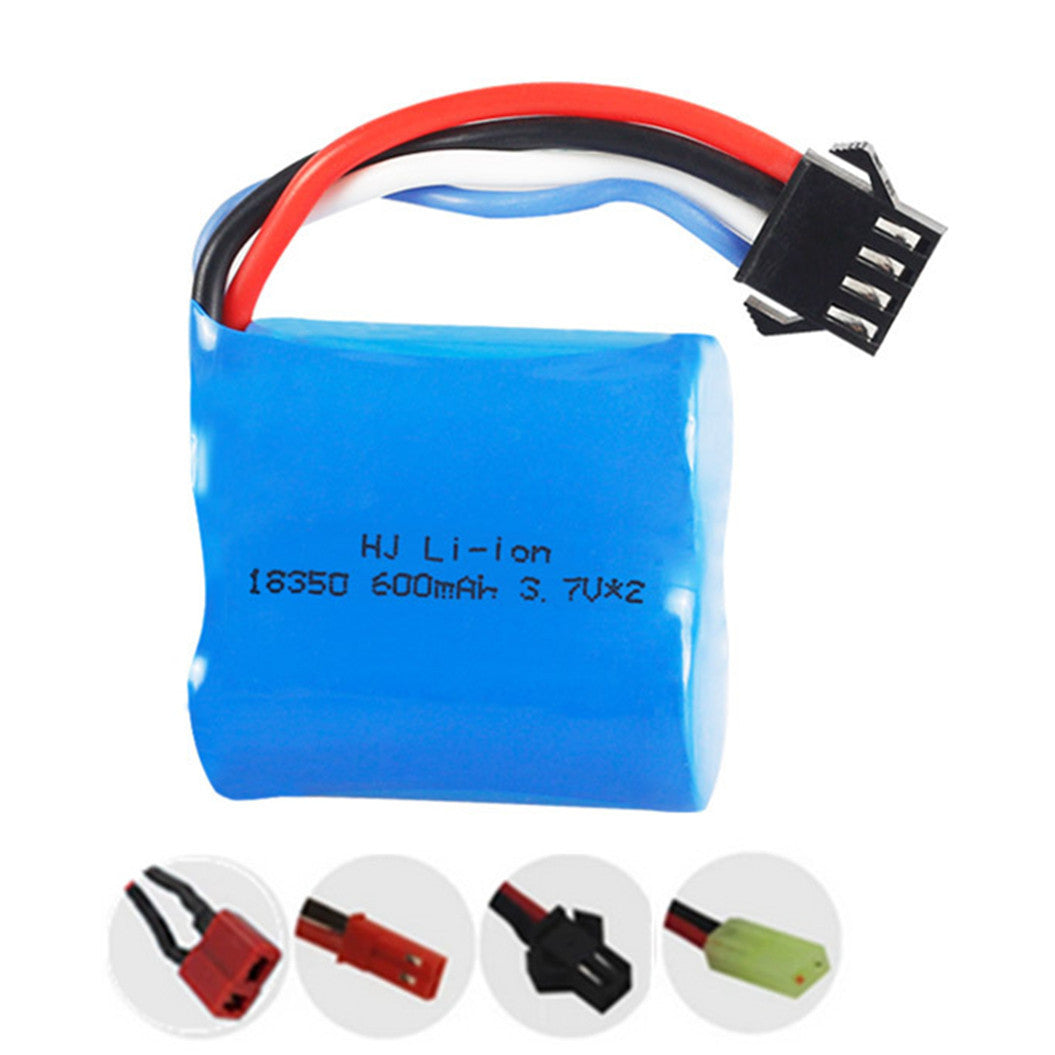
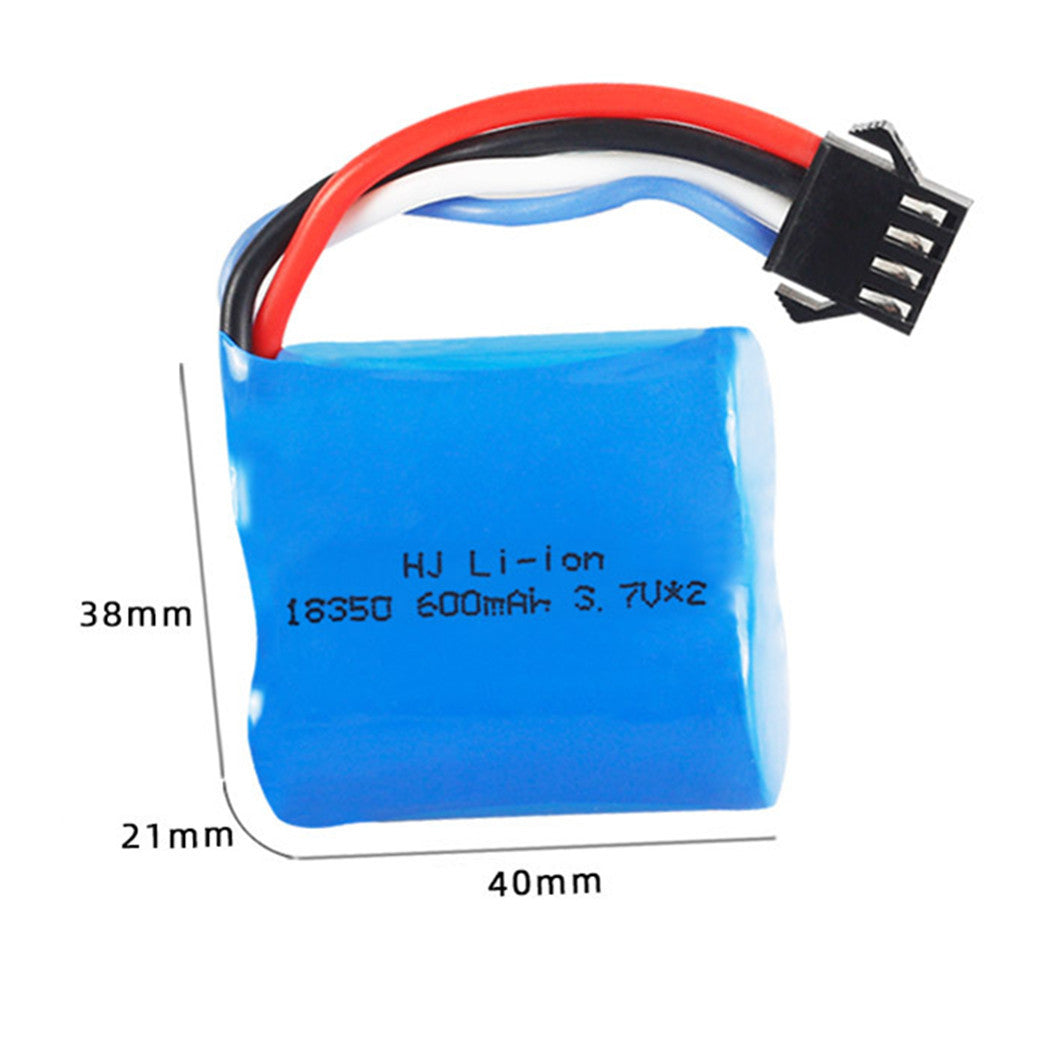
![7.4V 600mAh 18350 Li-Polymer バッテリー UDI UDI001 ハイスピード RC スピードボート用]()
![7.4V 600mAh 18350 Li-Polymer バッテリー UDI UDI001 ハイスピード RC スピードボート用]() 販売元:BATTERYINT
販売元:BATTERYINT7.4V 600mAh 18350 Li-Polymer バッテリー UDI UDI001 ハイスピード RC スピードボート用
- 通常価格
- $19.99
- 通常価格
-
- セール価格
- $19.99
- 単価
- あたり
7.4V 600mAh 18350 Li-Polymer バッテリー UDI UDI001 ハ... -
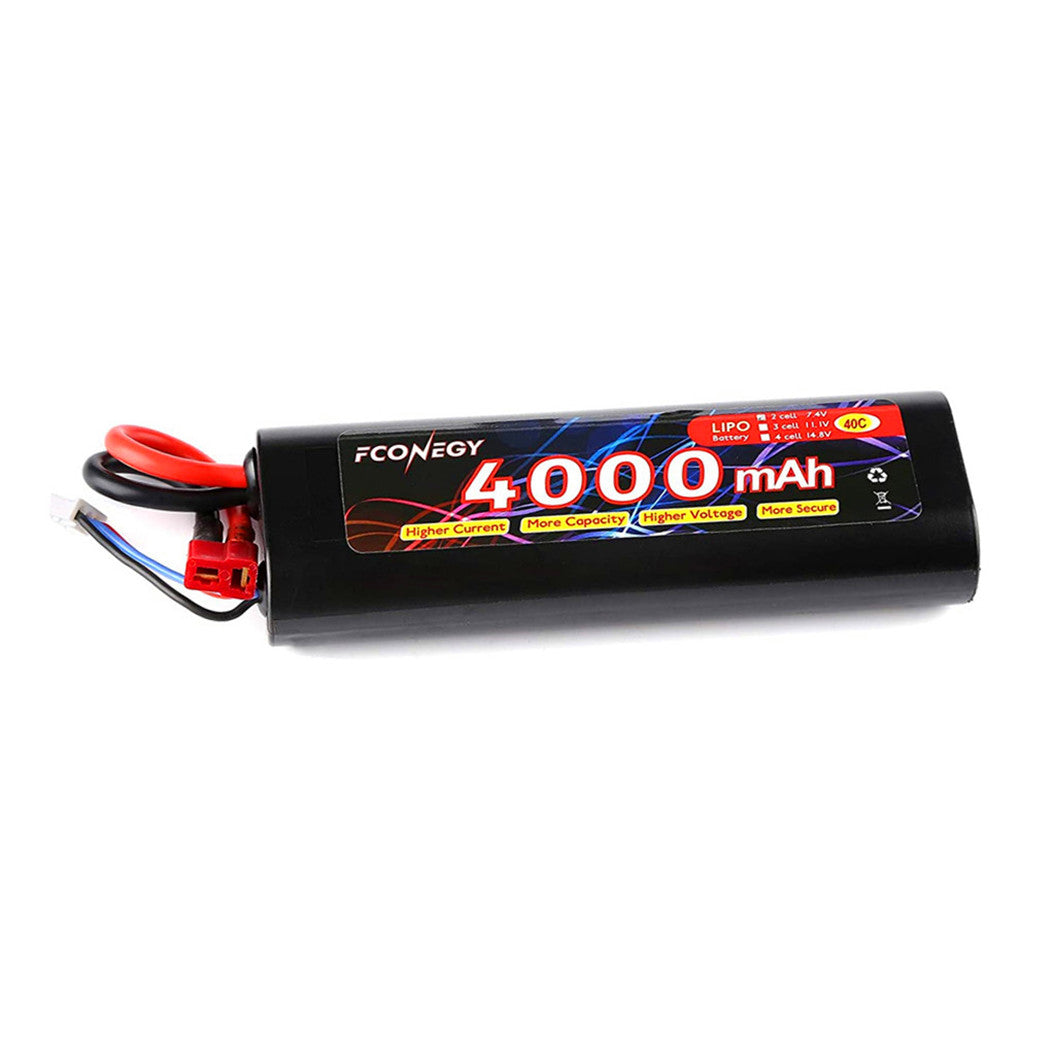
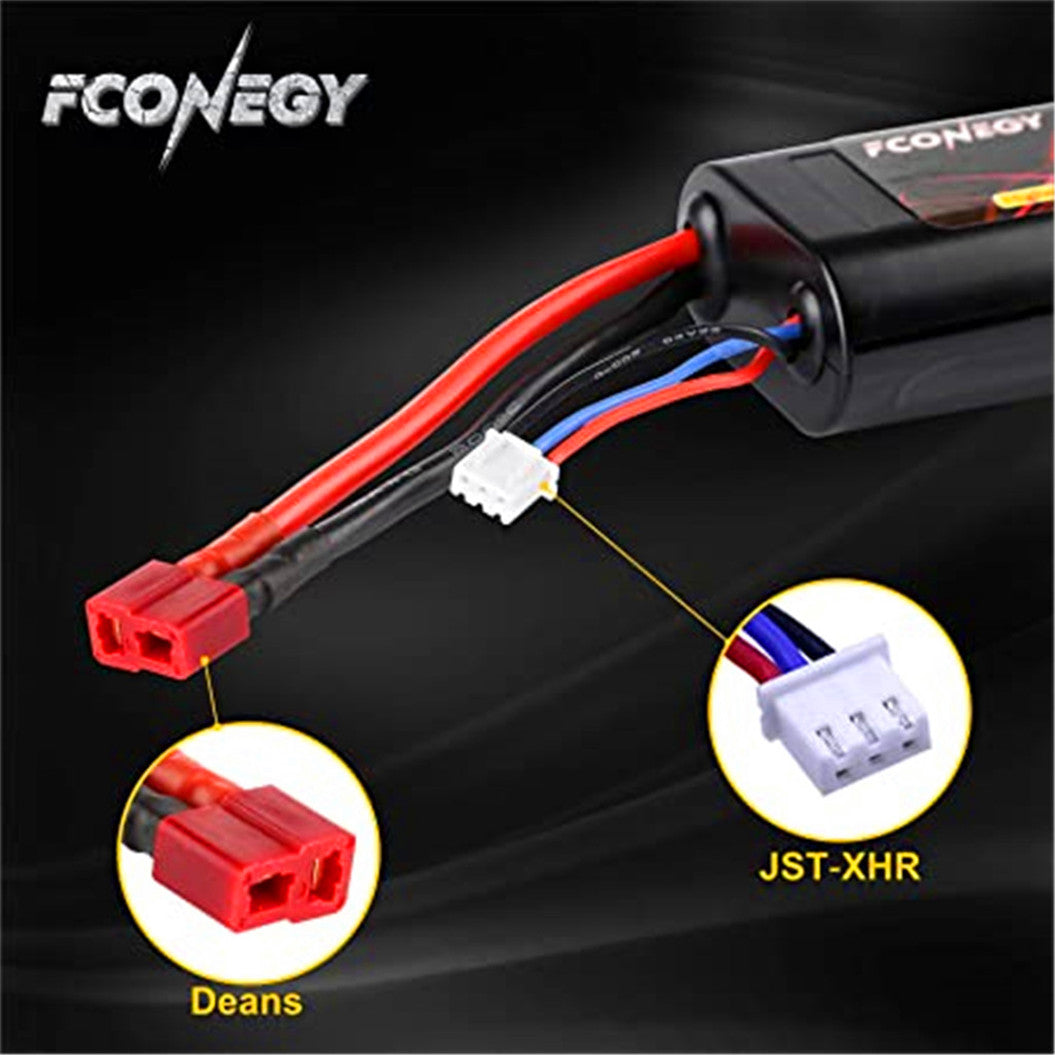
![7.4V 4000mAh LiPo RC バッテリー Deans Tコネクタ付き RCバギー、Traxxas、LOSI、Team Associated用]()
![7.4V 4000mAh LiPo RC バッテリー Deans Tコネクタ付き RCバギー、Traxxas、LOSI、Team Associated用]() 販売元:BATTERYINT
販売元:BATTERYINT7.4V 4000mAh LiPo RC バッテリー Deans Tコネクタ付き RCバギー、Traxxas、LOSI、Team Associated用
- 通常価格
- $29.99
- 通常価格
-
- セール価格
- $29.99
- 単価
- あたり
7.4V 4000mAh LiPo RC バッテリー Deans Tコネクタ付き RCバギー、...
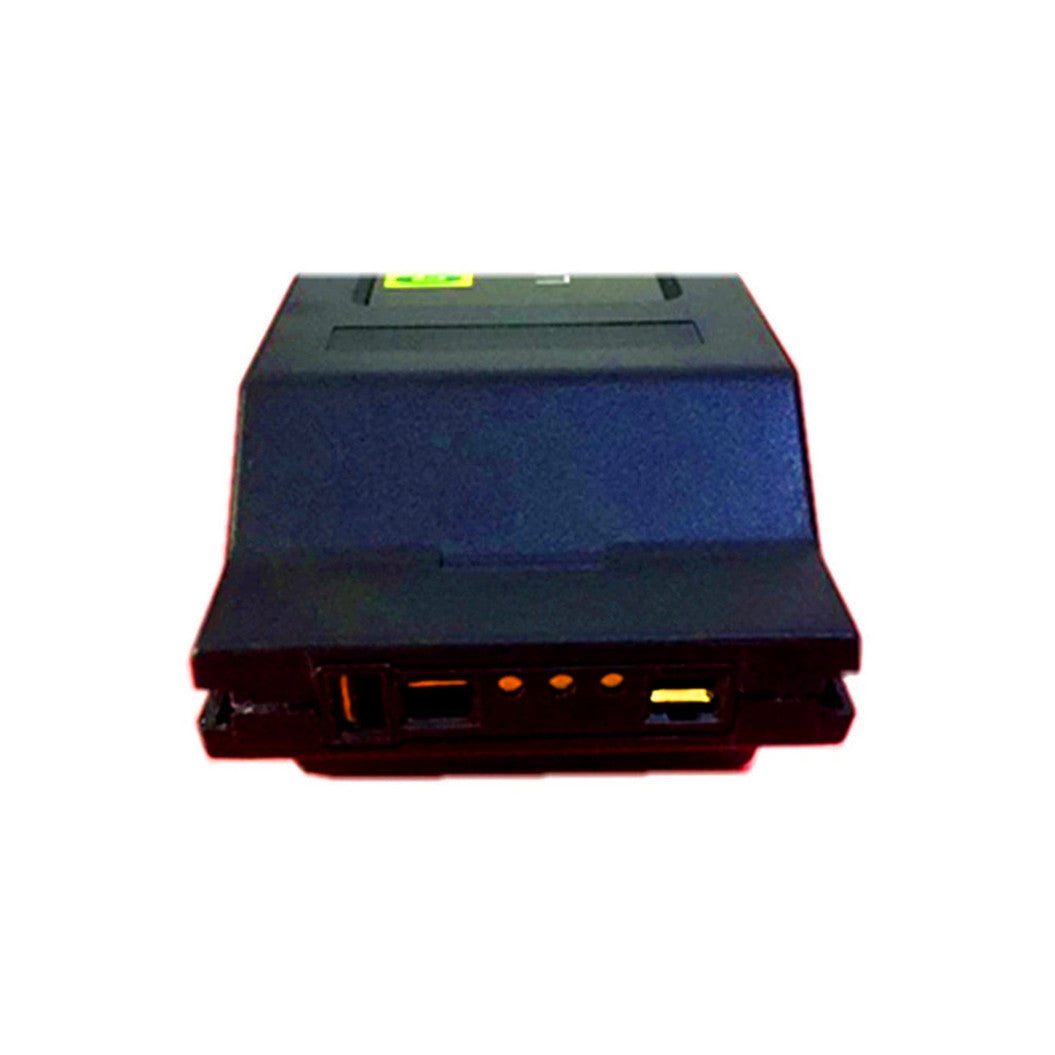
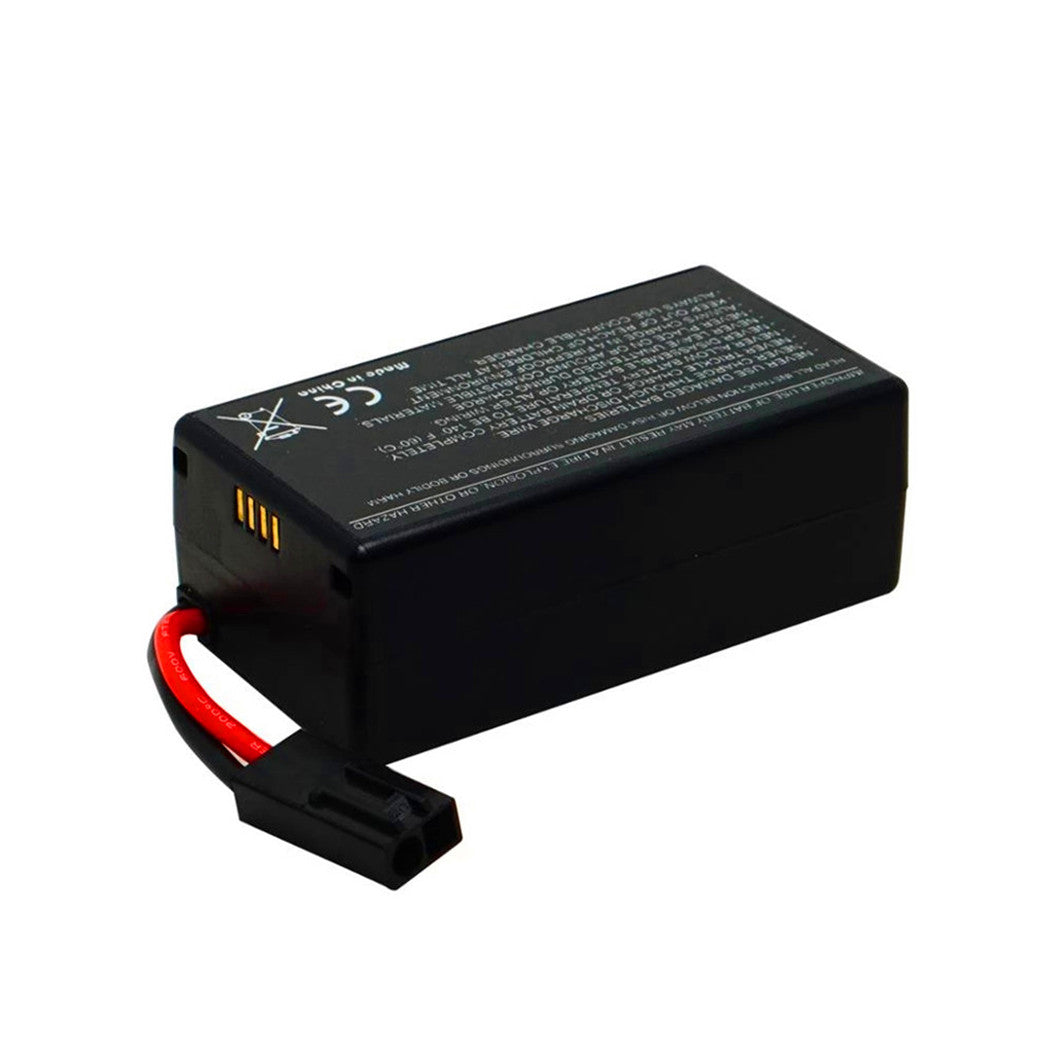
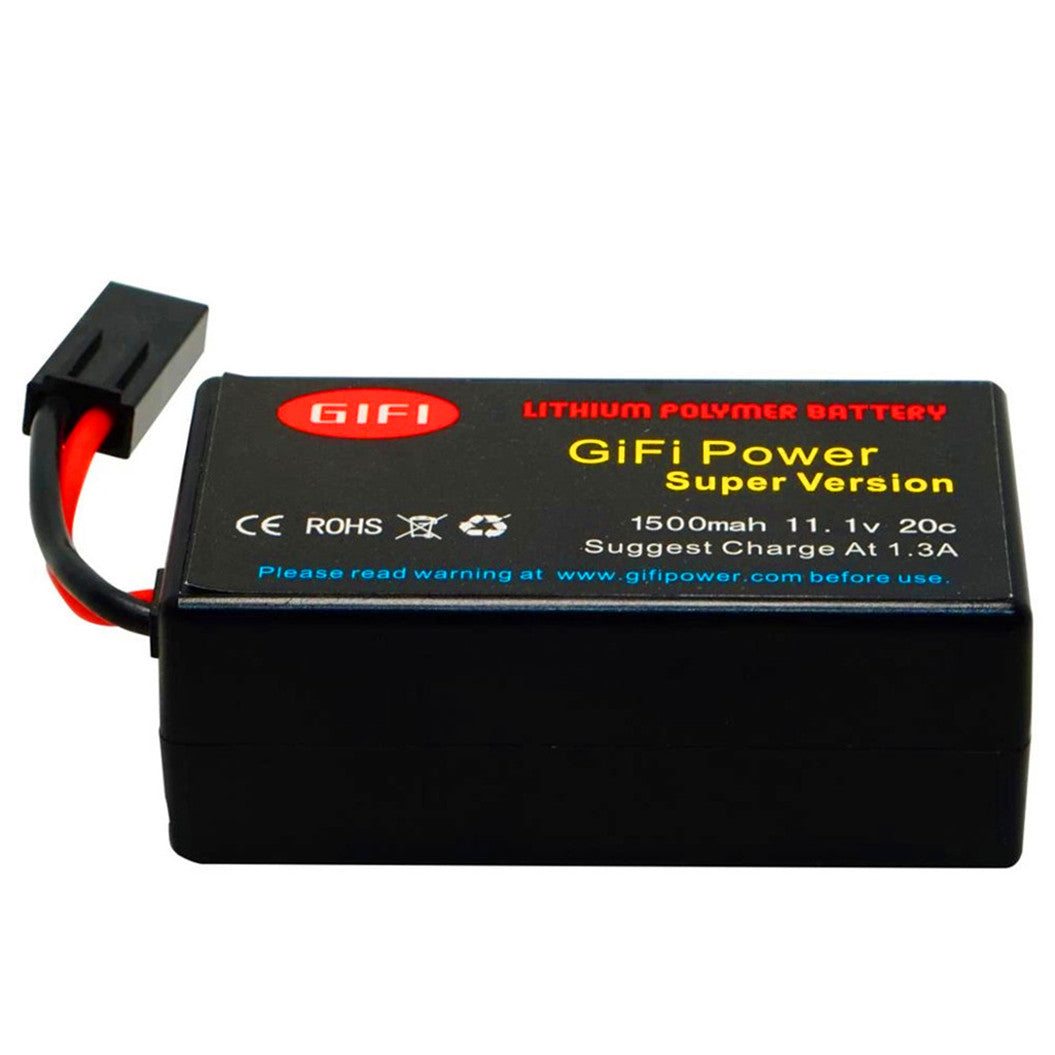
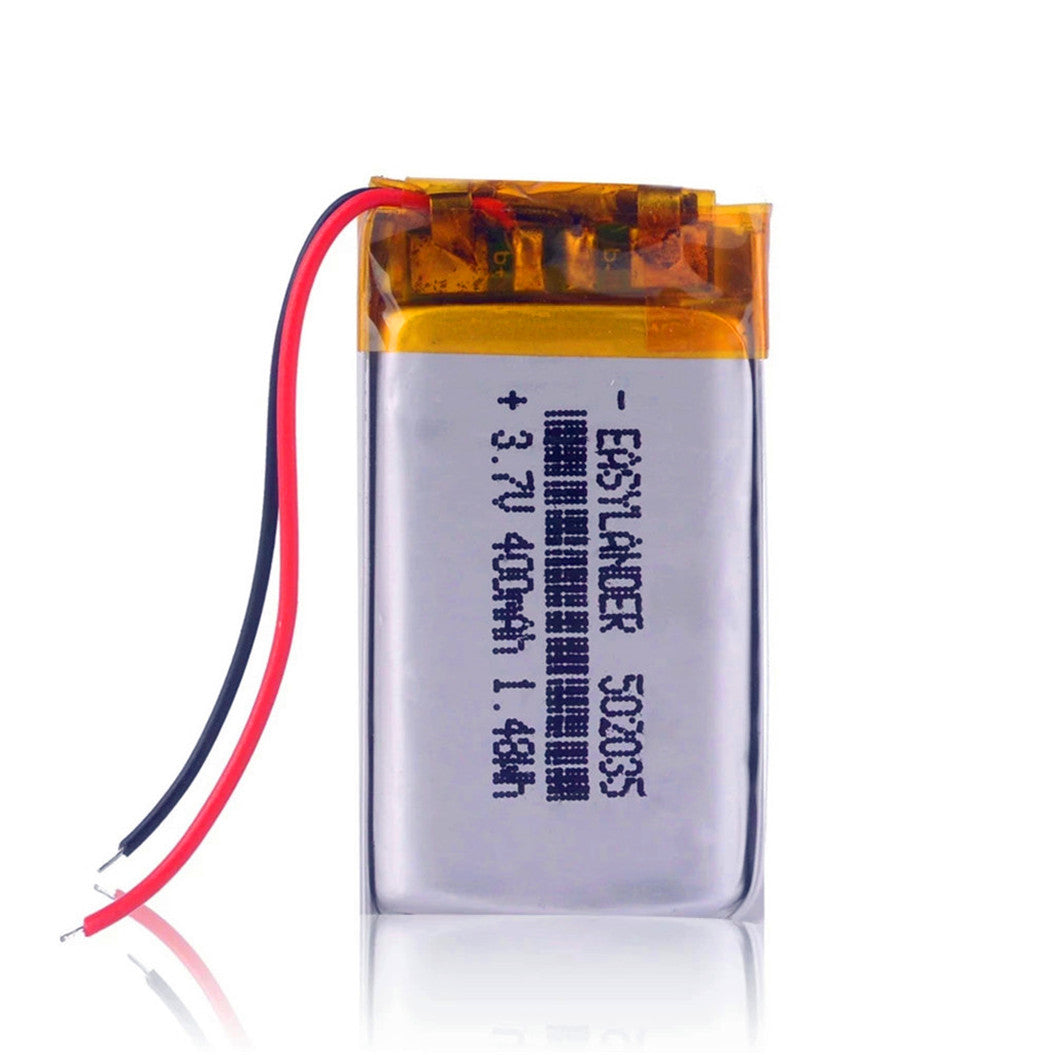
ショーイング 133 -144 の 348 項目
1. How to Charge Lipo Battery?
These are the safe charging tips for LiPo batteries:
- Always use a charger specifically designed for LiPo batteries to prevent overcharging or undercharging.
- Before charging, set the charger’s current and voltage to match the battery’s specifications, typically at 1C, which is twice the battery’s capacity.
- During charging, place the lithium ion polymer battery in a fireproof bag or on a flat surface that is free of flammable materials.
- Closely monitor the lithium polymer battery during charging and ensure that it is not left unattended for extended periods.
- Always use a charger specifically designed for LiPo batteries to prevent overcharging or undercharging.
- Before charging, set the charger’s current and voltage to match the battery’s specifications, typically at 1C, which is twice the battery’s capacity.
- During charging, place the lithium ion polymer battery in a fireproof bag or on a flat surface that is free of flammable materials.
- Closely monitor the lithium polymer battery during charging and ensure that it is not left unattended for extended periods.
2. How to Store Lipo Battery?
When storing Lithium Polymer (LiPo) batteries, they should be kept at approximately 50% charge, which will help to prolong battery life. The lithium ion polymer battery should be stored in a dry, cool environment, away from direct sunlight and extreme temperatures.
In addition, batteries should be stored in a fireproof bag or special safety box to prevent accidents. In addition, if not used for a long period, perform a light charge and discharge every few months to maintain battery performance.
In addition, batteries should be stored in a fireproof bag or special safety box to prevent accidents. In addition, if not used for a long period, perform a light charge and discharge every few months to maintain battery performance.
3. What Is the Lifespan of a Lipo Battery?
In general, lithium polymer batteries can support approximately 300 to 500 charge/discharge cycles if properly used and maintained. To extend battery life, avoid overcharging and over-discharging, and keep the lithium ion polymer battery at the proper temperature during use and storage.
4. How to Prevent Lipo Battery from Expansion and Explosion?
These tips below prevent lithium polymer (lipo) batteries from expanding or explosion:
- Ensure that you are using a charger that is specifically designed for LiPo batteries and that you strictly follow the battery’s charging specifications.
- Avoid exposing the lithium polymer battery to extreme temperatures or direct sunlight during charging and use.
- Ensure that the lithium ion polymer battery is not physically damaged. Regularly inspect the battery for any signs of wear or damage.
- If the LiPo batteries show signs of swelling, discontinue use immediately to prevent further risks such as expansion or explosion.
- Ensure that you are using a charger that is specifically designed for LiPo batteries and that you strictly follow the battery’s charging specifications.
- Avoid exposing the lithium polymer battery to extreme temperatures or direct sunlight during charging and use.
- Ensure that the lithium ion polymer battery is not physically damaged. Regularly inspect the battery for any signs of wear or damage.
- If the LiPo batteries show signs of swelling, discontinue use immediately to prevent further risks such as expansion or explosion.
5. What Is the Difference Between a 4s Lipo Battery and a 3s LiPo Battery?
The main differences between 4s lipo batteries and 3s LiPo batteries are the number of cells and the total voltage. 3s batteries consist of three cells in series and typically have a voltage of 11.1 volts, while 4s batteries consist of four cells in series and typically have a voltage of 14.8 volts.
However, higher voltages may also require electronic equipment to have a higher voltage tolerance, so the voltage compatibility of equipment must be considered when choosing a lithium polymer battery.
However, higher voltages may also require electronic equipment to have a higher voltage tolerance, so the voltage compatibility of equipment must be considered when choosing a lithium polymer battery.
6. How Long Does It Take to Charge a 4s Lipo Battery?
Typically, most 4-cell LiPo batteries take about 1 to 1.5 hours to fully charge when charged at a 1C charge rate (i.e. the current value for the rated capacity of the battery).
For example, a 5000mAh battery will take about 1 hour to fully charge at 5A charge current. Ensure that you use the appropriate charger for your lithium polymer battery to maintain its health and safety.
For example, a 5000mAh battery will take about 1 hour to fully charge at 5A charge current. Ensure that you use the appropriate charger for your lithium polymer battery to maintain its health and safety.
7. Which Is Better, Lifepo4 or Lipo Battery?
LiFePO4 batteries are known for their longer life and increased safety. It is usually more suitable for applications that require long-term reliability, such as electric vehicles and solar energy storage systems.
LiPo batteries, on the other hand, offer higher energy density and power output. Ideal for devices with stringent weight and size requirements, such as UAVs and RC models.
LiPo batteries, on the other hand, offer higher energy density and power output. Ideal for devices with stringent weight and size requirements, such as UAVs and RC models.
8. Which Is Better, Nimh or Lipo Battery?
NiMH batteries are more environmentally friendly and less expensive, making them suitable for every day and low-power devices.
LiPo batteries, on the other hand, offer higher energy density and discharge rates, making them more suitable for use in high-power devices such as drones and high-performance RC cars.
LiPo batteries, on the other hand, offer higher energy density and discharge rates, making them more suitable for use in high-power devices such as drones and high-performance RC cars.